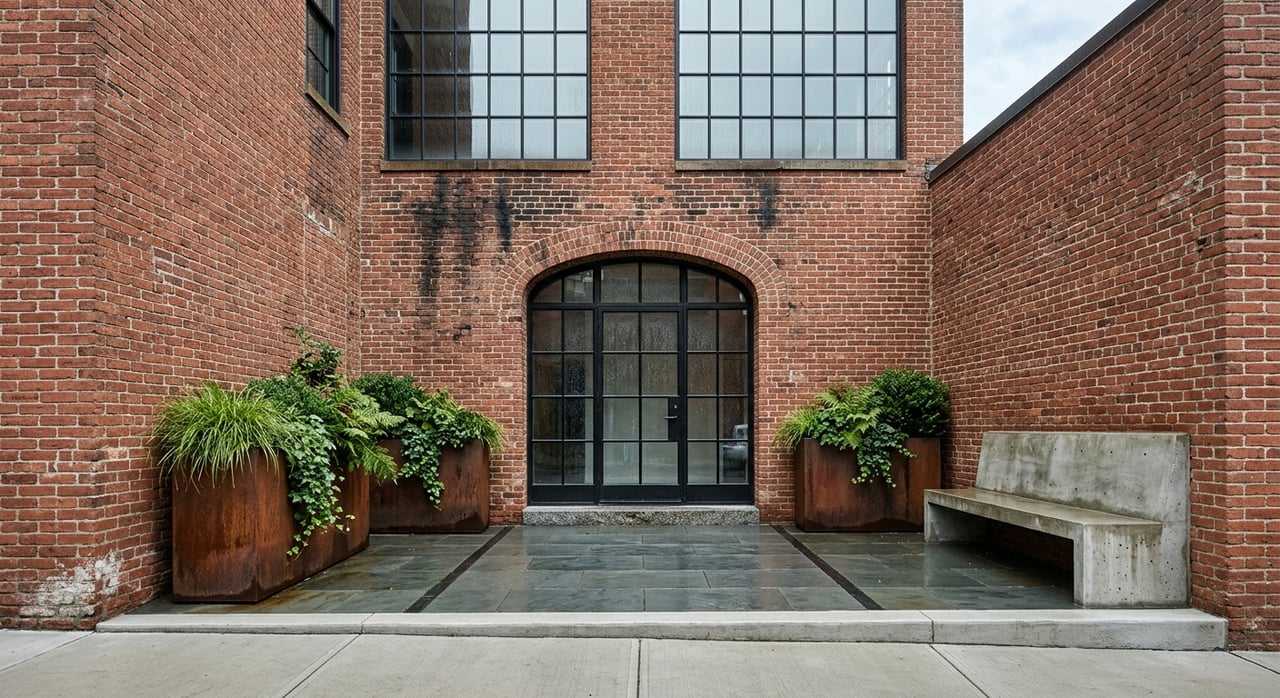
Somerville Green Line Housing Along the GLX
June 18, 2026
June 18, 2026
If you want city access without feeling locked into a car, Somerville’s Green Line Extension has changed the conversation. For buyers, sellers, and investors, the GLX is not just a transit upgrade. It is a daily-life upgrade that reshapes how people move, shop, and choose where to live. This guide will help you understand what life looks like along the line, how the station areas differ, and what to watch for in the local housing mix. Let’s dive in.
Green Line Extension service in Somerville began on December 12, 2022, with five local stations: Union Square, East Somerville, Gilman Square, Magoun Square, and Ball Square. According to the City, peak-period service runs every five to six minutes. The City also projected that about 85% of Somerville residents would live within a half-mile of a transit node once the extension was operational.
That matters because convenience affects how you live day to day. In Somerville, the GLX works with walkable squares, neighborhood business districts, and the Community Path to create a more connected lifestyle. For many buyers, that combination is a major reason to focus on this corridor.
The best way to understand the corridor is to think beyond the train itself. The GLX connects a series of established squares, each with its own local rhythm, housing mix, and public spaces. Somerville describes itself as a city of more than 20 squares, and that idea is especially useful here.
The Community Path extension adds another layer to daily life. The 3.2-mile off-street multi-use path runs from Lowell Street through Somerville Junction Park to Cambridge Crossing, and the City frames it as part of a more walkable, bikeable, and transit-friendly Somerville. The City also points residents to Bluebikes and more than 30 miles of bike paths, which helps explain why many residents build a car-light routine around this area.
Union Square is Somerville’s oldest commercial district, and the City calls it the social, cultural, and spatial heart of the neighborhood. That description fits the feel on the ground. It functions as a civic hub, with a people-centered square and a strong connection between public space and newer GLX-era development.
For buyers, Union Square often offers a mix of renovated condos, newer construction, and multi-family properties. Recent examples in the area ranged from a 2-bedroom condo that sold for $685,000 to a new-construction condo estimated around $1.04 million. You may also see two-family and other multi-unit properties that appeal to owner-occupants and investors who want flexibility.
East Somerville combines a historic Broadway business district with active neighborhood programming. City planning materials highlight the Broadway district and its local business activity, while newer initiatives point to events like Carnaval, the Foodie Crawl, and neighborhood mural work. That mix gives the area a strong sense of local energy without making it feel uniform.
The station area also benefits from Community Path access and lighting improvements that help make the route more comfortable after dark. For buyers focused on mobility, East Somerville stands out for its strong transportation profile. Research snapshots show a 90 Walk Score, 68 Transit Score, and 89 Bike Score.
Housing here spans a wide range. A recent median sale price was $934,686, with sales ranging from a $609,000 1-bedroom condo to a $910,000 3-bedroom condo, a $1.085 million 4-bedroom home, and larger two-family assets in roughly the $1.77 million to $2.1 million range.
Gilman Square sits near Somerville High, the Community Path, and Ed Leathers Park. The City has shaped the station area through people-centered planning, and nearby arts, music, and outdoor-space programming have reinforced its role as a community node. If you want transit access with a neighborhood feel, Gilman is a strong part of the corridor to watch.
The housing mix here is varied, but it follows a pattern seen across much of Somerville. You will find condo conversions, larger condos in smaller buildings, and two-family properties that can appeal to both owner-occupants and investors. Recent examples included condos near the station in the mid-$700,000 range and a nearby 3-bedroom penthouse condo at about $1.2 million.
Winter Hill transportation snapshots also support the area’s appeal for buyers who want walkability without giving up neighborhood character. Research shows an 88 Walk Score, 54 Transit Score, and 86 Bike Score. Those numbers help explain why station distance and path access can have a real effect on demand.
Magoun Square is one of the corridor’s practical, neighborhood-based hubs. The City describes it as one of Somerville’s walkable squares with local eateries and daily conveniences nearby. That is often what draws buyers here. You can handle errands, grab a meal, and stay close to transit without needing every outing to be a destination trip.
The housing market in Magoun Square tends to land in a middle-to-upper price tier within the GLX corridor. The recent median sale price was $849,714 over the last three months. Sales included a $565,000 1-bedroom condo, an $800,000 4-bedroom home, and a $1.0 million 5-bedroom home.
Transportation is another part of the draw. Research snapshots show an 82 Walk Score, 56 Transit Score, and 83 Bike Score. For many buyers, that means Magoun offers a useful balance of neighborhood scale and day-to-day access.
Ball Square has a strong local business cluster and a higher price floor than some nearby GLX station areas. The City describes Ball Square as one of Somerville’s walkable neighborhood centers, and local business listings show why. Restaurants, cafes, and convenience-oriented businesses create a setting where many daily routines stay close to home.
Nearby recreation also adds to the appeal. In addition to access through the broader corridor, Ball Square listings point to assets like Powder House Park and the Minuteman Bike Path nearby. For buyers comparing station areas, that combination of transit, neighborhood businesses, and outdoor access can make Ball Square feel especially complete.
Pricing reflects that demand. Ball Square’s median sale price was $1.35 million over the last three months, with recent sales including a $1.015 million 2-bedroom condo, a $1.0 million 3-bedroom condo, and a $1.68 million 4-bedroom home. Current listings in the research ranged from about $799,900 for a 2-bedroom condo to $1.175 million for a new-construction penthouse.
Life along the GLX is not only about stations. It is also about how public space supports the neighborhoods between them. Along the corridor, open space includes the Community Path, Somerville Junction Park, Quincy Street Park near Union Square, and Ed Leathers Park near Gilman Square.
That matters because buyers often judge a neighborhood by what they can do within a short walk or ride. The path network supports commuting, exercise, and quick local trips. In practical terms, it expands how useful the area feels beyond the station platform itself.
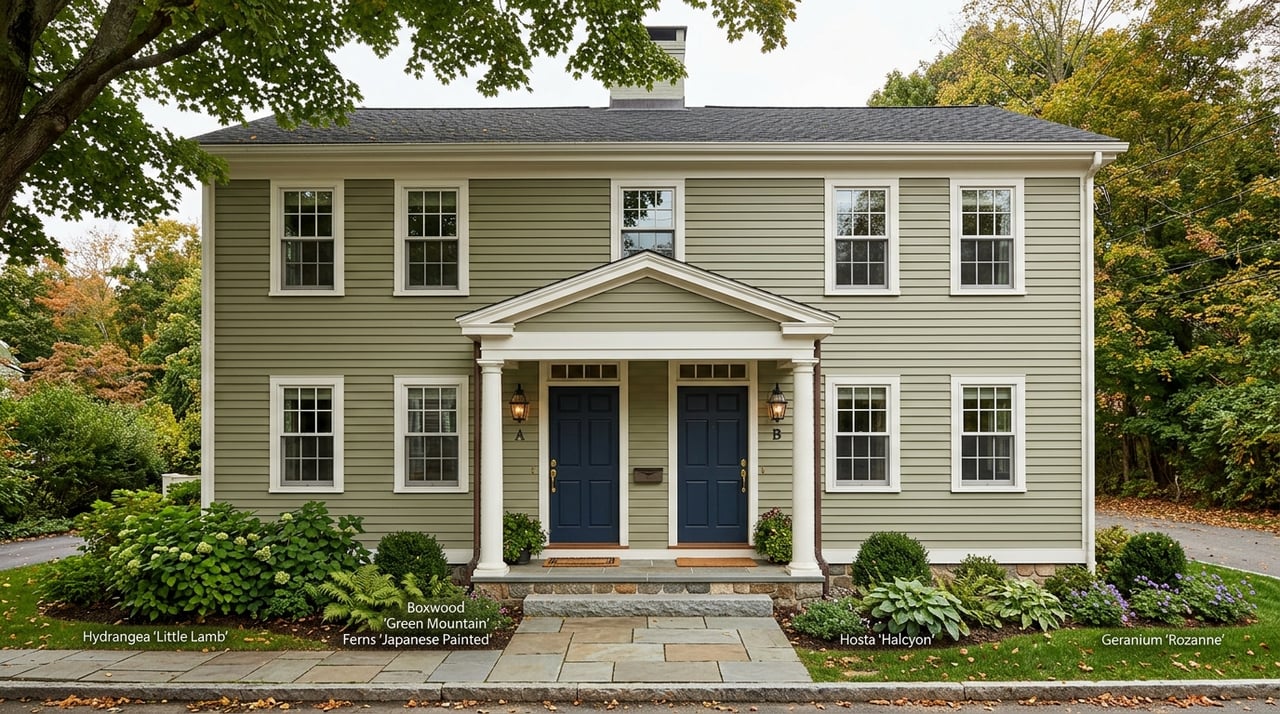
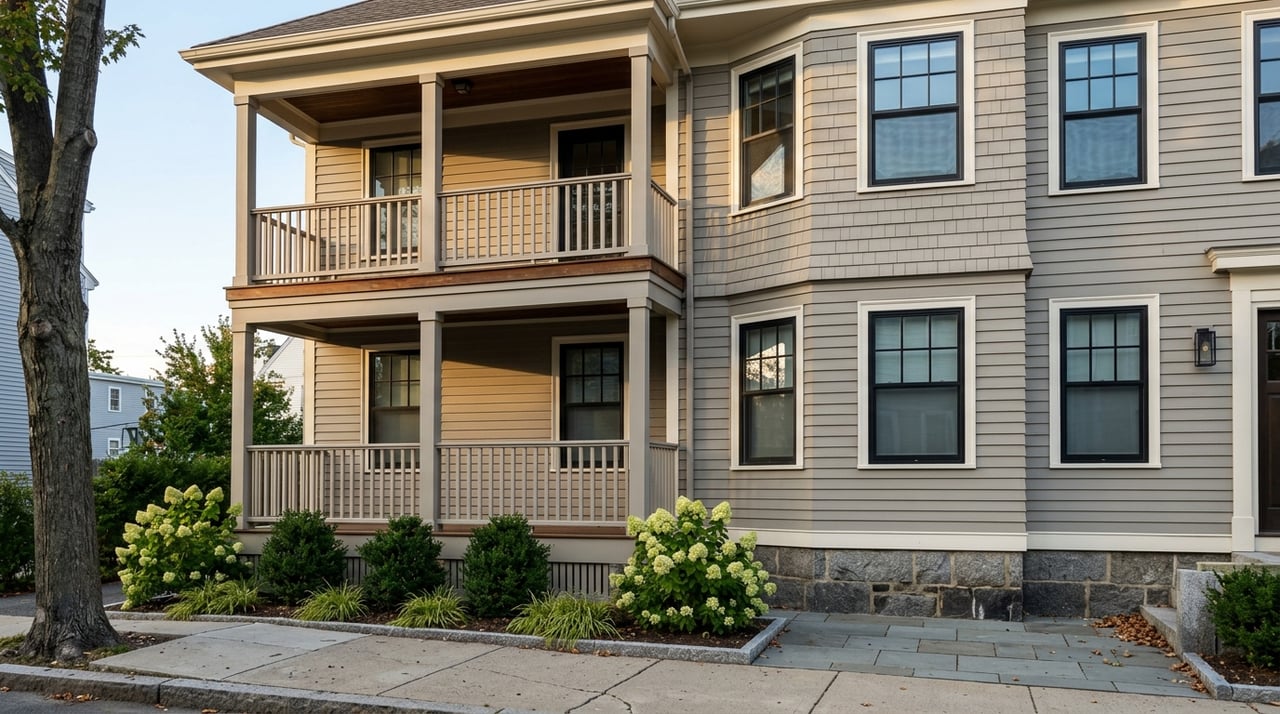
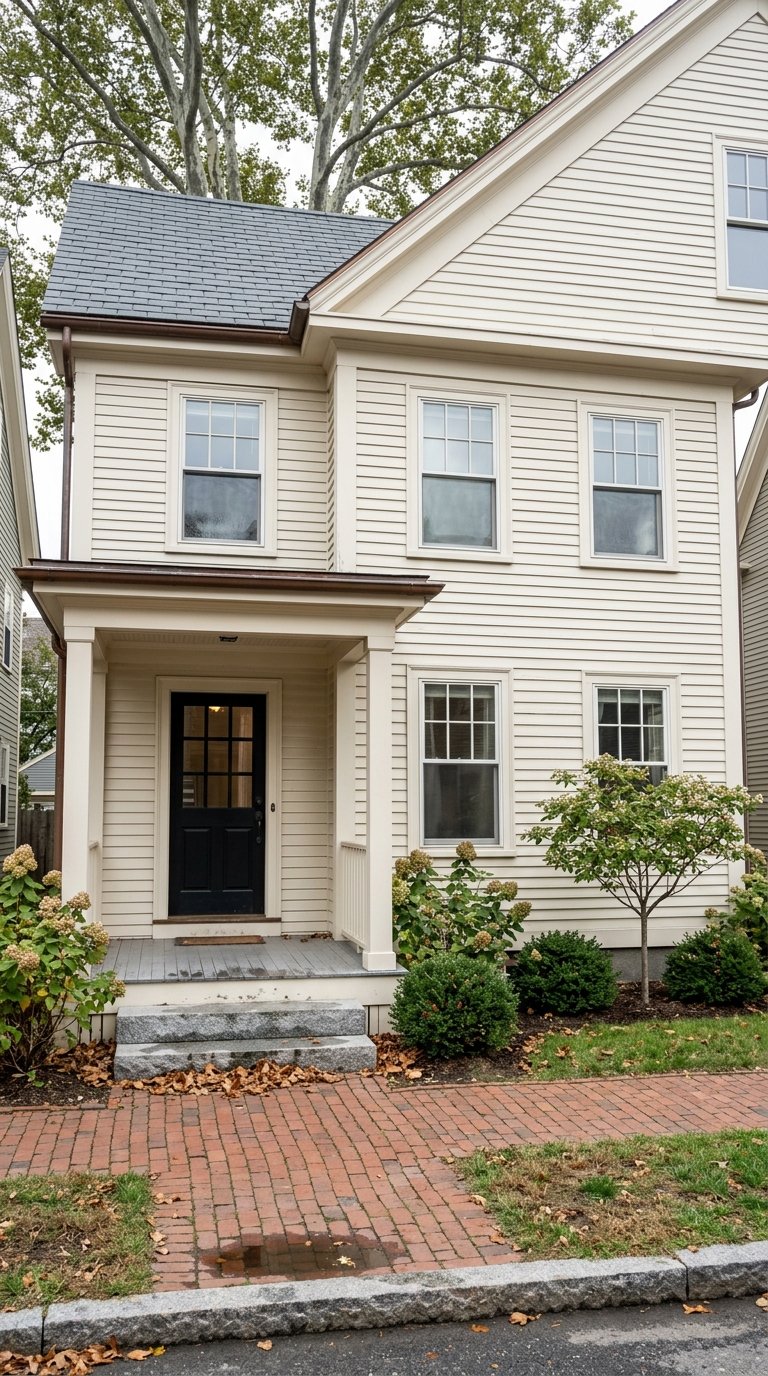
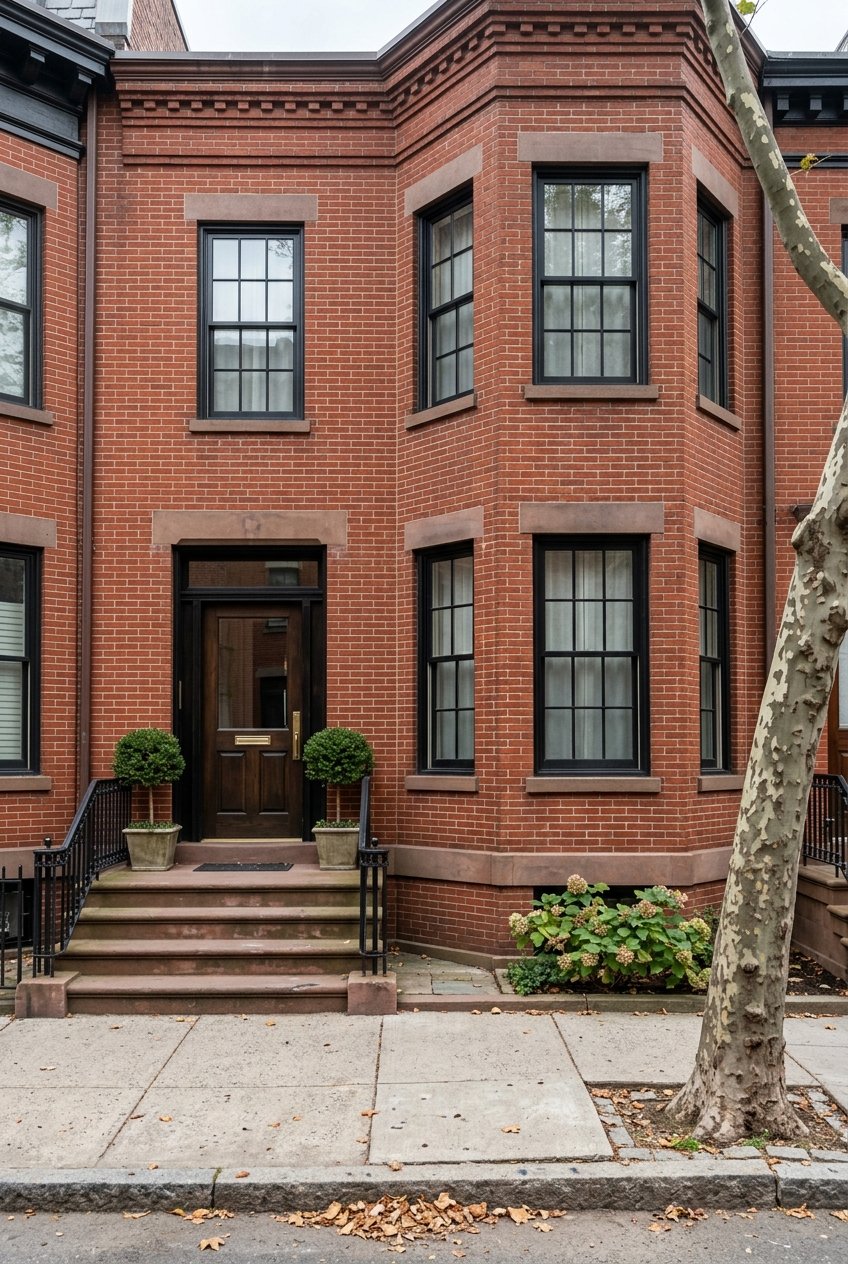
Across the GLX corridor, the most common living styles are condo conversions in older two- and three-family buildings, newer condos near Union Square, and larger owner-occupant or investor two-family and triple-decker properties. That pattern lines up with Somerville’s condominium conversion rules and its broader mixed-income housing framework.
For buyers, this means two homes near the same station can feel very different. One may be a classic condo conversion with shared systems and limited parking. Another may be newer construction with a different finish level, layout, and price point.
For sellers and investors, this housing mix creates both opportunity and competition. Presentation, pricing, and property type matter a great deal in a market where buyers compare building style, station access, and outdoor space very closely.
A common mistake is to assume that all GLX-adjacent homes should trade in the same range. In reality, buyers usually compare a narrower set of factors. The most useful comparison points are exact station distance, parking, outdoor space, whether the building is a condo conversion or newer construction, and whether the property is a one-unit condo, two-family, or larger multi-family.
That is why values can shift from one square to the next, and even from one block to the next. Ball Square, for example, currently shows a higher price floor than some other GLX areas. Union Square may offer a broader spread because of its mix of renovated condos, new construction, and multi-family opportunities.
If you are buying along the Green Line Extension, it helps to evaluate each home through a practical lens:
These questions help you compare homes more accurately than price alone. They also help explain why two similar-sized properties can attract very different levels of demand.
The GLX corridor speaks to more than one type of buyer. Some want a car-light lifestyle with easier access to Cambridge and Boston. Others are drawn to the mix of local businesses, public spaces, and housing options across Somerville’s walkable squares.
It also appeals to people looking at different property types. A relocating buyer may focus on a condo near a station. An owner-occupant may look closely at a two-family home for flexibility. An investor may be more interested in the corridor’s blend of transit access, neighborhood demand, and multi-family stock.
The Green Line Extension has strengthened Somerville’s identity as a city of connected, walkable squares. Rather than creating one uniform district, it has made it easier to live between distinct neighborhoods like Union Square, East Somerville, Gilman Square, Magoun Square, and Ball Square. That is what makes the corridor so appealing and so nuanced.
If you are buying, selling, or evaluating a property along the GLX, the details matter. Station distance, property type, outdoor space, parking, and square-by-square character all shape value. When you look at the corridor through that lens, you can make smarter decisions and negotiate from a stronger position.
If you are thinking about buying, selling, or evaluating a home along Somerville’s Green Line Extension, Guy Contaldi can help you assess the market with a practical, negotiation-focused strategy.
Stay up to date on the latest real estate trends.
Whether buying, selling, or investing, I’m ready to put my decades of experience and client-first approach to work for you. Contact me today to get started with a trusted Boston real estate expert.