What Living Near Harvard Square in Cambridge Feels Like
June 11, 2026
June 11, 2026
If you want a Cambridge lifestyle where you can step out for coffee, catch the Red Line, spend time in a park, and choose from museums, theater, and dinner without planning your whole day around a car, Harvard Square stands out fast. For many buyers and renters, the challenge is figuring out whether the area feels practical for everyday life or simply exciting to visit. This guide breaks down what daily living near Harvard Square really looks like, from getting around to housing style to the rhythm of the neighborhood. Let’s dive in.
Harvard Square is more than a landmark. Cambridge describes it as an international destination that blends history and learning with contemporary arts and entertainment, and that mix shapes everyday routines in a very real way. You are in a pedestrian-friendly district centered around Harvard Yard, Cambridge Common, and nearby mixed-use blocks with a large concentration of shops, dining, and services.
That means daily life often feels active, convenient, and outward-facing. You are likely to see steady foot traffic, busy sidewalks, and a constant flow of people heading to class, work, errands, or events. In a city where 25.1% of residents are enrolled in college or graduate school, that student presence is part of the backdrop, especially around the Square.
One of the biggest draws of living near Harvard Square is how much you can do on foot. The area includes about 900,000 square feet of retail space, which helps support both destination shopping and everyday errands. Instead of treating the neighborhood as a place you visit once in a while, many residents use it as part of their normal weekly routine.
That walkable setup appeals to people who want a more urban, connected lifestyle. You can move from groceries and takeout to a museum visit or a coffee meeting without needing to get in the car. If your ideal home base feels lively and efficient, this part of Cambridge checks a lot of boxes.
A neighborhood works best when the dining scene also supports regular life, not just special occasions. In Harvard Square, the range of restaurants and casual spots helps make that possible. The Harvard Square Business Association lists options such as Alden & Harlow, Cafe Sushi, Charlie's Kitchen, Clover, Daily Provisions, and Dig.
That variety gives you flexibility during the week. You can keep things simple on busy days, meet friends without traveling far, or build small rituals around favorite neighborhood stops. In practice, that kind of convenience often becomes one of the most valuable parts of living nearby.
Near Harvard Square, arts and culture are not separate from everyday life. They are woven into it. Nearby destinations include the American Repertory Theater, the Brattle Theatre, the Harvard Art Museums, the Harvard Museum of Natural History, and the Peabody Museum.
This matters because it changes what a normal evening or weekend can look like. Instead of needing a big plan, you may have easy access to a film, performance, or museum visit close to home. The Harvard Art Museums are free and open Tuesday through Sunday, which adds another flexible option for low-key time in the neighborhood.
Urban living works better when there is room to slow down, and Cambridge Common plays that role near Harvard Square. The city describes it as a 16-acre National Historic Landmark with a playground, playing field, lawns, monuments, and pathways. It sits just outside the Square and serves as a major open-space anchor for the area.
The paths and sidewalks around Cambridge Common see more than 10,000 pedestrians and cyclists each day, which tells you a lot about how people actually use the space. It is not just scenic. It is part of the neighborhood’s daily movement pattern, whether you are walking the dog, heading to transit, meeting friends outside, or taking a break from work.
The city also points to JFK Memorial Park between Harvard's JFK School and the Charles River. Together, these outdoor areas help balance the dense, mixed-use feel of the Square with places to walk, sit, and reset.
For many people, Harvard Square works because of transit as much as location. The Harvard stop on the Red Line sits right across from Harvard Yard, and the area is also served by bus routes and public bicycle racks. If you want to get around Cambridge and Greater Boston without driving every day, that is a major advantage.
Cambridge says most of the city is a short walk from public transit, with five Red Line stations and 26 MBTA bus routes. The city also reports more than 100,000 transit trips starting and ending in Cambridge on each workday. That level of use reinforces what many residents already know: transit is central to how the city functions.
Biking is another piece of the picture. Cambridge reports about 105.3 miles of bike facilities, which supports shorter local trips and a more flexible routine. If you value options, Harvard Square gives you several ways to move through your day.
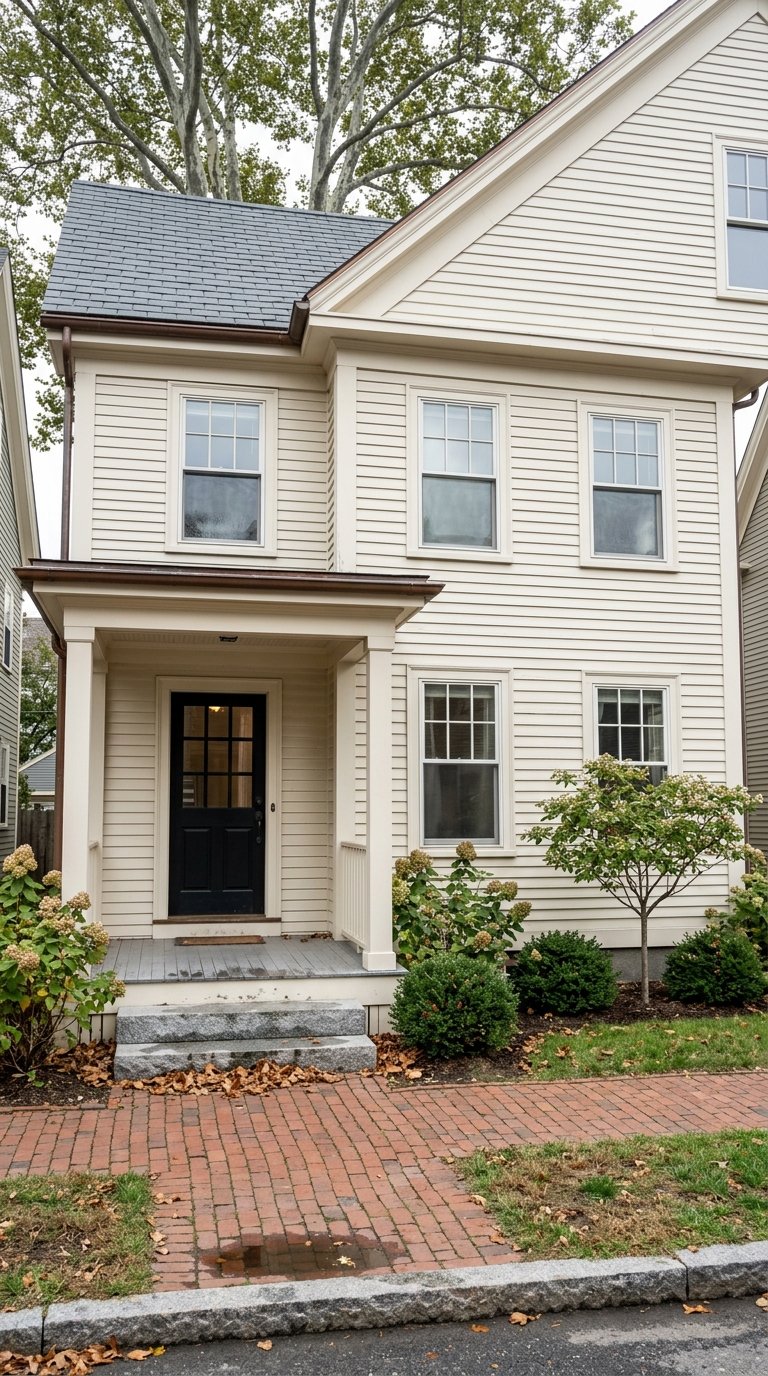
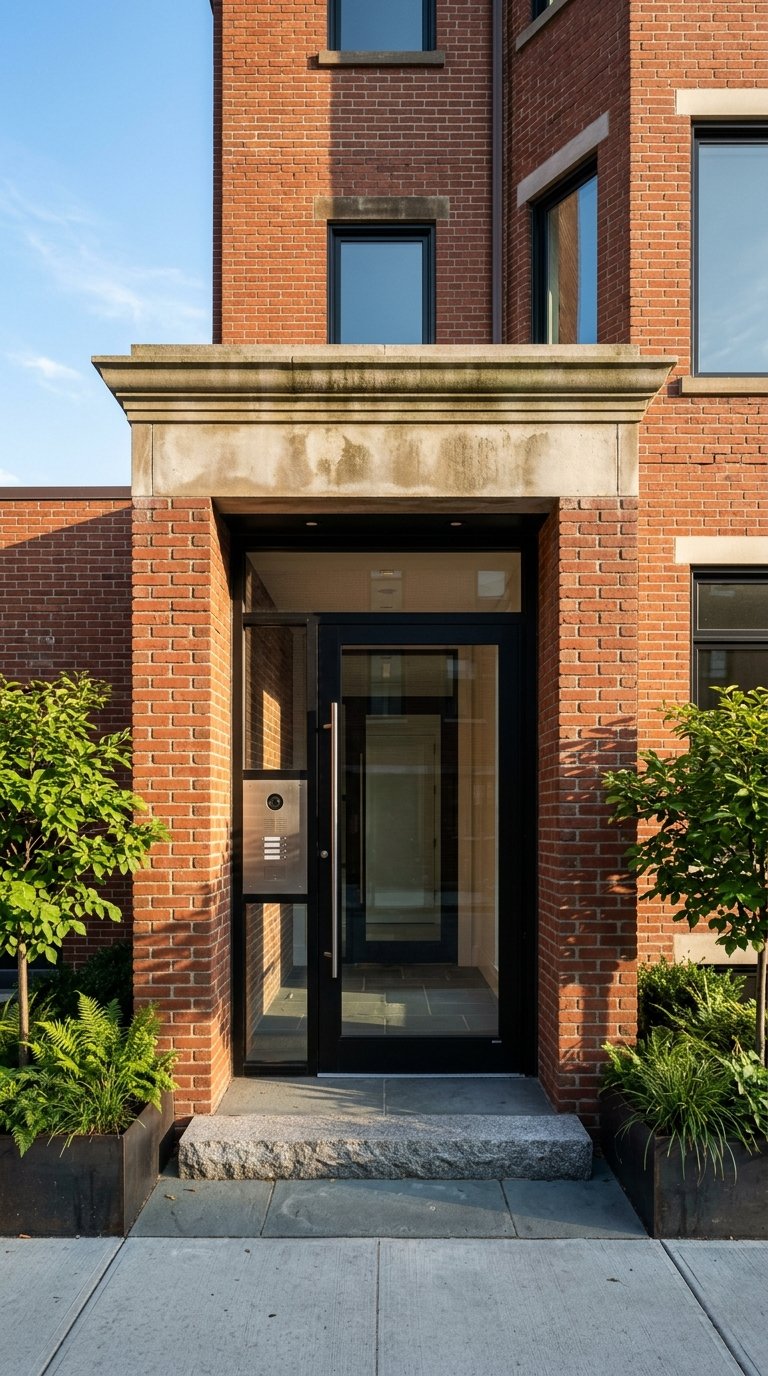
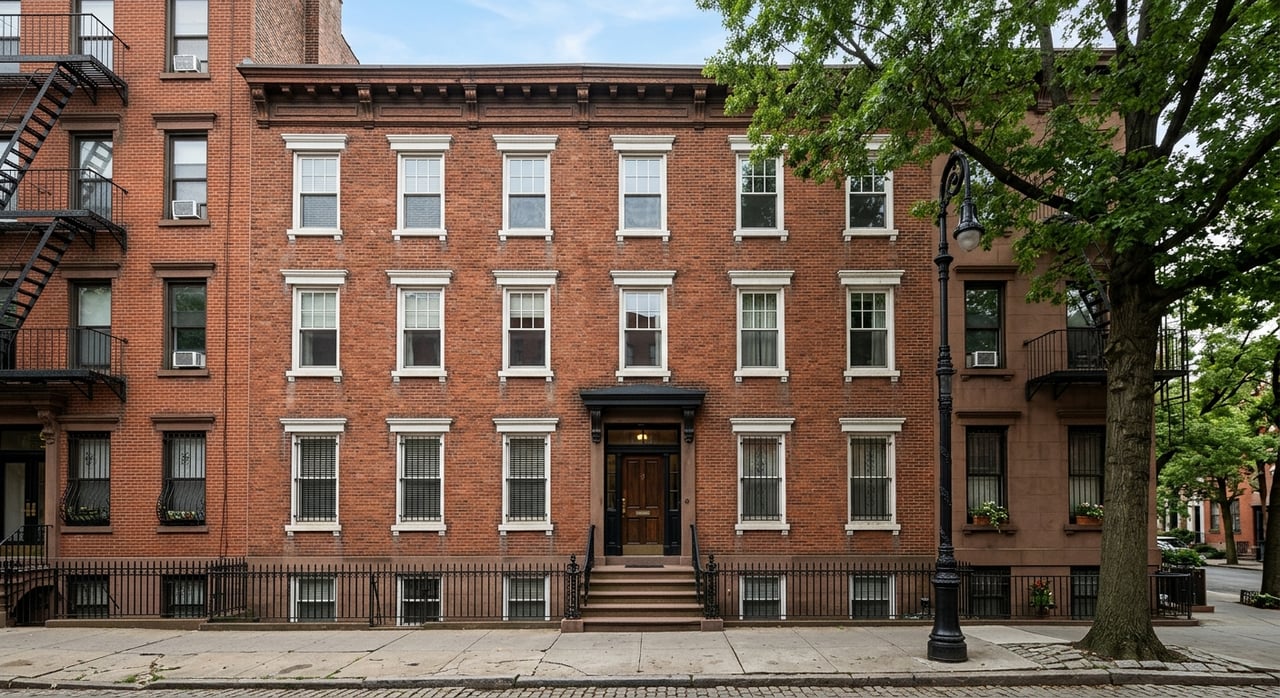
If you are trying to picture the housing stock near Harvard Square, think dense, varied, and largely urban in form. Citywide, Cambridge includes a broad mix of property types, but the data shows a strong tilt toward condos, multifamily buildings, and larger residential structures. The city reports that 27.6% of dwelling units are condominiums, 14.5% are in mixed-use buildings, and 34.1% are in buildings with more than 100 units.
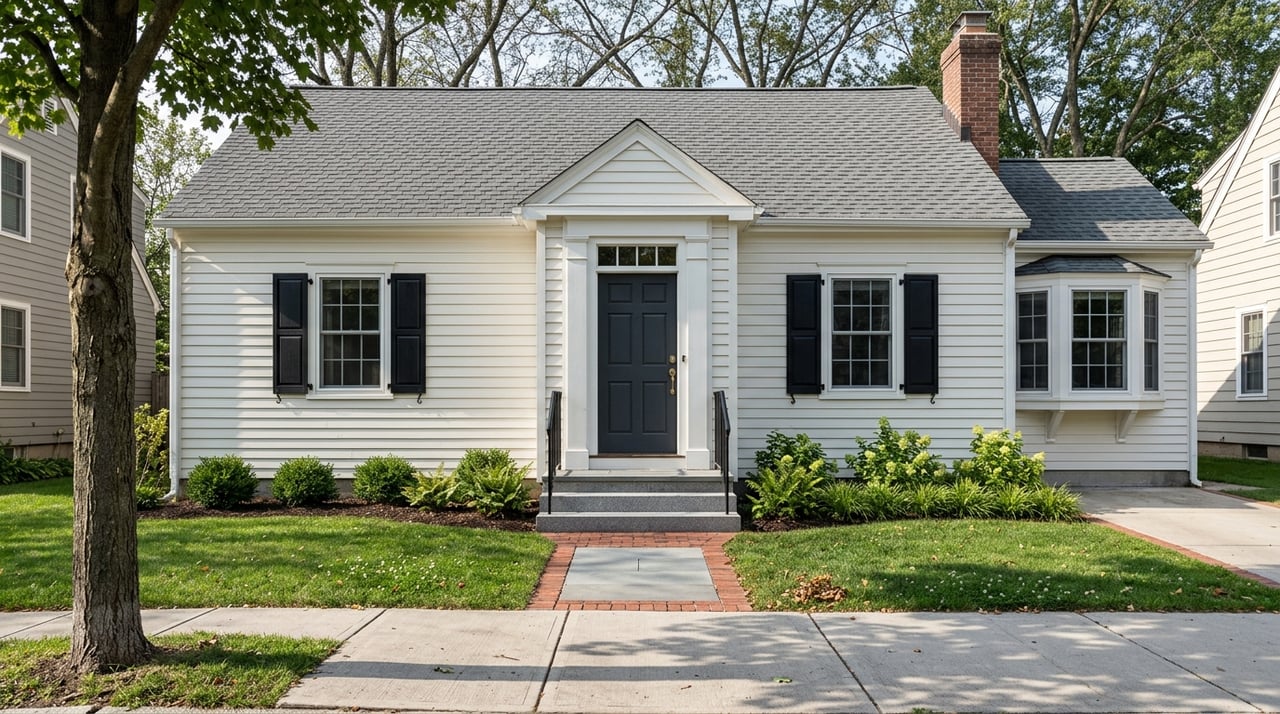
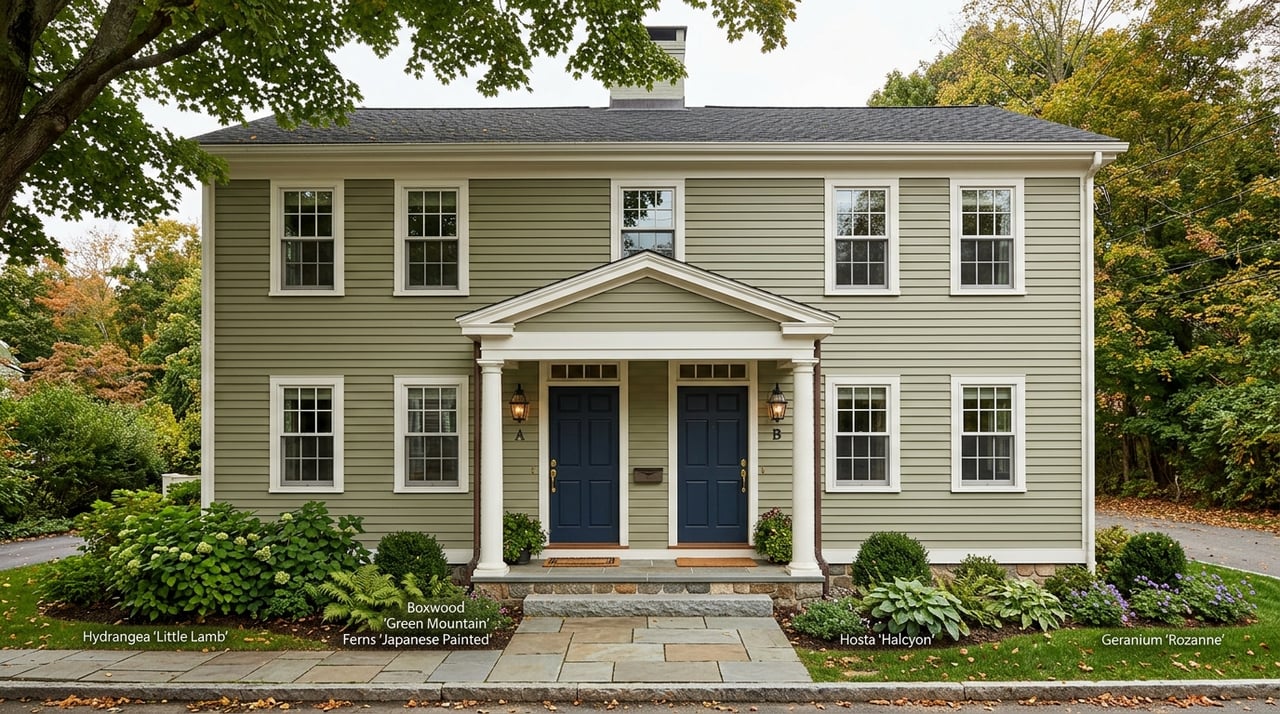
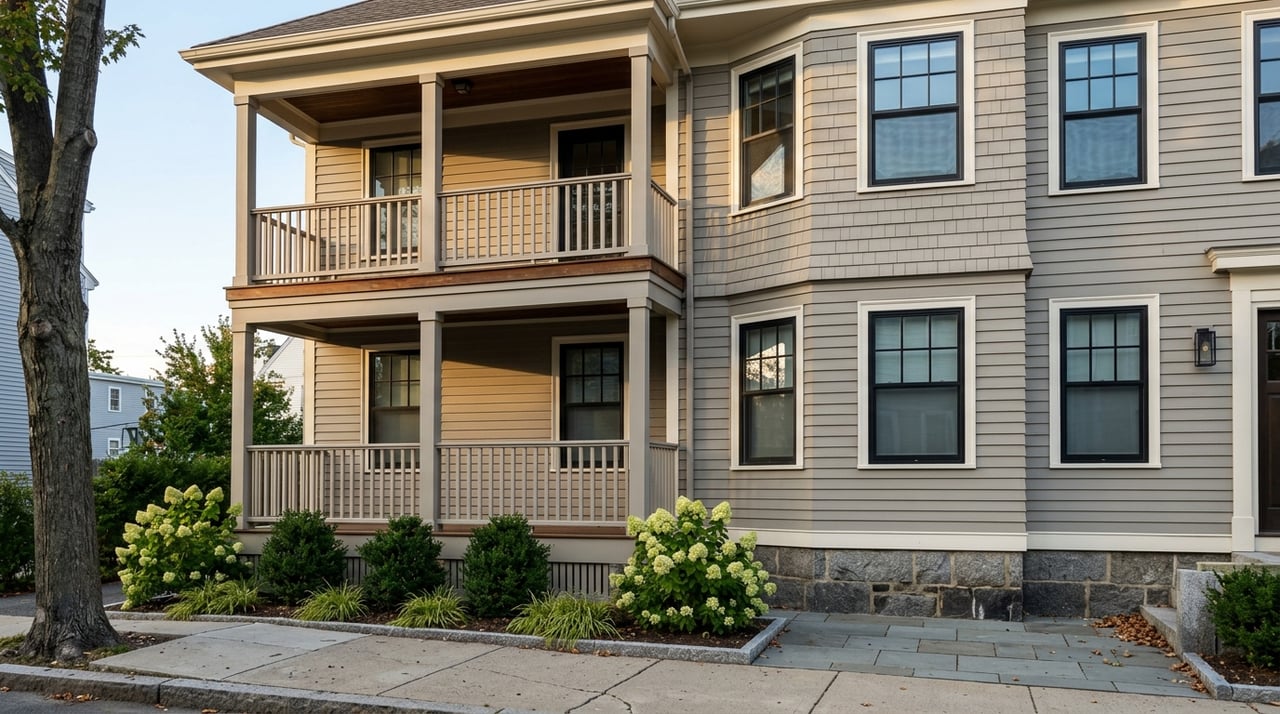
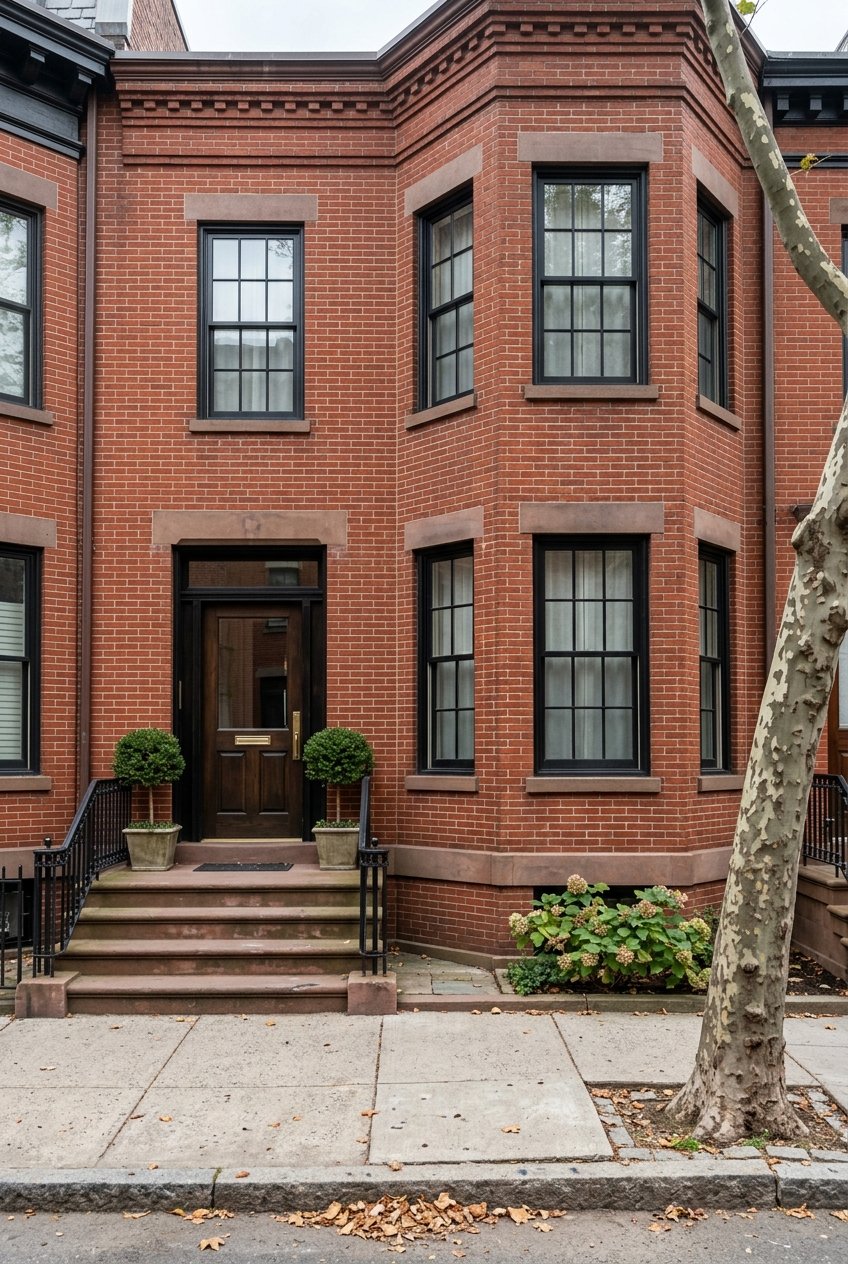
At the same time, Cambridge still includes smaller-scale housing formats. The city’s broader housing mix includes single-family homes, two-unit properties, three-unit buildings, and four-to-six-unit buildings. For someone searching near Harvard Square, the most accurate expectation is usually a blend of condos, classic multi-family houses, and some townhouses or townhomes.
That range can appeal to different kinds of buyers and renters. Some want a condo near transit and daily amenities. Others may be focused on a townhouse feel, a smaller building, or a multifamily purchase with long-term flexibility in mind.
Lifestyle is important, but so is price. Cambridge remains a high-demand market, and the city says demand stays strong because of the local job market and quality of life. That reality shows up clearly in both sale prices and rents.
For 2024, the city reported median market-rate sale prices of $870,000 for condos, $1,542,500 for two-families, $1,822,500 for three-families, and $2,315,000 for single-family homes. For 2025 Q3, median asking rents were $2,200 for studios, $2,785 for one-bedrooms, $3,400 for two-bedrooms, and $3,900 for three-bedrooms.
Those figures do not define every home near Harvard Square, but they do help set expectations. If you are considering a move here, it helps to approach the process with a clear budget, a realistic list of priorities, and a strong understanding of which property type best matches your goals.
Harvard Square can attract more than one type of client because the lifestyle is so layered. For a relocating buyer, the appeal may be transit access, walkability, and a ready-made neighborhood rhythm. For an investor or multifamily buyer, the draw may be Cambridge’s sustained demand and dense housing mix.
For some move-up or downsizing buyers, the area offers something else: convenience without giving up culture or neighborhood identity. You are not choosing between practical and interesting. In this part of Cambridge, those qualities often come together.
Before you buy or rent near Harvard Square, it helps to think through your daily patterns instead of focusing only on the map. A great fit usually comes down to how you want to live from Monday through Sunday. Consider questions like these:
If your answers lean toward walkability, culture, and convenience, Harvard Square may feel less like a special destination and more like the right home base.
For buyers, the biggest advantage of living near Harvard Square is how much the location can simplify and enrich your routine at the same time. You have access to transit, food, parks, retail, and cultural destinations in one compact area. That combination can support a lifestyle that feels efficient, social, and connected.
For sellers and property owners, that same mix helps explain why the area stays so consistently relevant in the Cambridge conversation. Homes tied to a transit-rich, walkable district with strong name recognition often benefit from a location story that buyers can quickly understand. When the property itself is presented well and priced with care, that neighborhood context can be a meaningful asset.
If you are weighing a move to Cambridge, planning a sale, or exploring the right positioning for a property near Harvard Square, working with an experienced local advisor can help you connect the lifestyle story to the market reality. To discuss buying, selling, valuation, rentals, or an investment opportunity in Cambridge, connect with Guy Contaldi.
Stay up to date on the latest real estate trends.
Whether buying, selling, or investing, I’m ready to put my decades of experience and client-first approach to work for you. Contact me today to get started with a trusted Boston real estate expert.