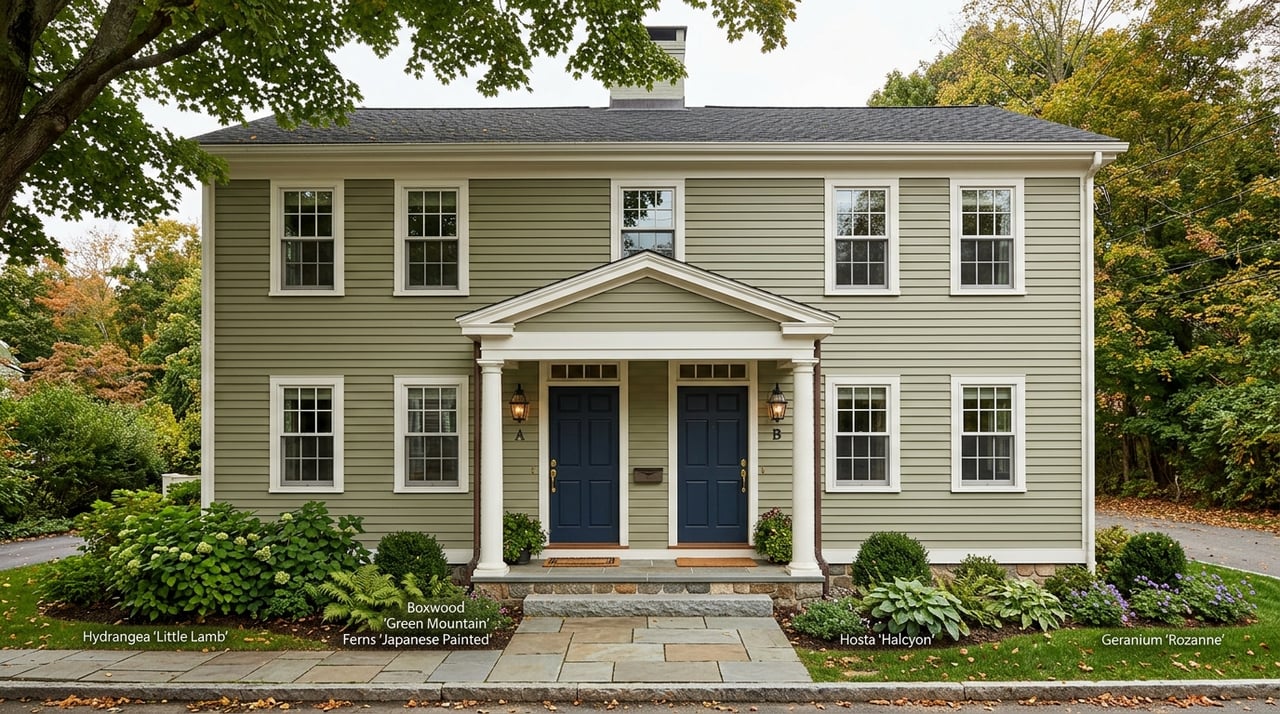
Medford Condo vs House: How to Choose the Right Fit
July 2, 2026
July 2, 2026
Wondering whether a condo or a house makes more sense in Medford right now? You are not alone. In a city with strong transit access, distinct neighborhood patterns, and a fast-moving market, the better choice often comes down to how you want to live day to day, not just what you want to buy. This guide will help you compare cost, upkeep, location, and long-term fit so you can make a smarter Medford decision. Let’s dive in.
Medford is a city of just under 60,000 residents with 10 neighborhoods, five squares, and more than 300 acres of city-maintained open space. The city’s planning direction emphasizes walkable neighborhoods, mixed-use development, and more housing supply, which means your choice between a condo and a house is often tied closely to location and lifestyle.
Transit is a major part of that decision. Medford now has Green Line service at Medford/Tufts and Ball Square, Orange Line access at Wellington, commuter rail in West Medford, and Bluebikes concentrated near several transit-oriented areas. If your routine depends on commuting ease, parking, or reducing car use, where you buy can matter as much as what you buy.
The Medford market remains active. Redfin’s spring 2026 snapshot shows a citywide median sale price of $857,057 across all home types, with homes selling in about 25 days and receiving about four offers on average.
On the condo side, Redfin’s Medford condo data shows 60 active listings plus one early access listing, with a median listing price of $699,000. That places condos below the citywide median sale level, but not in bargain territory.
Property taxes are part of the math too. Medford’s FY2026 residential tax rate is $8.63 per $1,000 of assessed value. Using the figures above, a $699,000 condo suggests about $6,032 in annual property taxes, while an $857,057 home suggests about $7,396 annually before any exemptions or future assessment changes.
A condo often lowers the amount of exterior upkeep you handle yourself, but it does not eliminate shared costs. Instead, some of that responsibility shifts into condo dues or HOA fees, which are usually paid separately from your mortgage payment.
That monthly fee can be a meaningful budget item. Consumer guidance cited in the research report notes that condo or HOA dues can range from a few hundred dollars per month to more than $1,000. In Medford, that means you should compare the full monthly carrying cost, not just the purchase price.
With a condo, common areas are typically maintained through the association. That can include shared items such as sidewalks, driveways, and common walls. Massachusetts condo law also requires an adequate replacement reserve fund as part of common expenses, which makes the association’s financial health especially important.
In practical terms, a well-run association can make condo ownership feel more predictable. A poorly run one can create stress, surprise assessments, or maintenance problems that affect your budget and your resale position.
If you are considering a Medford condo, make sure you review more than finishes and square footage. You should also evaluate the association itself.
Key items to review include:
A house gives you more direct control, but it also gives you more direct responsibility. When you own a single-family home, you are generally responsible for maintenance and repairs, from routine fixes to major items like roofing or exterior systems.
That can be a strong fit if you want more autonomy and are comfortable planning for larger, less predictable costs. It can be a poor fit if you want low-maintenance ownership or do not want to manage repairs and upkeep yourself.
For many buyers, the biggest advantage of a house is flexibility. You are not sharing decision-making with an association, and you are not paying monthly dues for common areas.
In Medford, this can matter even more if you want more separation from neighbors, off-street parking, or more land. Depending on location, those priorities may push you toward a detached home rather than a transit-adjacent condo.
A house may have no HOA fee, but that does not mean it is cheaper to carry month to month. Ongoing costs can include property taxes, insurance, water, utilities, and repairs.
That is why the right comparison is not condo fee versus no condo fee. The real question is whether you would rather pay shared monthly dues for common upkeep or budget independently for larger repair items over time.
In Medford, the condo-versus-house question often becomes a location question. The city’s planning materials point to more mixed-use, residential, and multifamily development near transit corridors and walkable centers, especially around Boston Avenue and Medford Square.
As a result, buyers who want convenience, transit access, and a lower-maintenance setup often focus on condos or townhouses near Medford/Tufts, Ball Square, Medford Square, or Wellington. Buyers who want more space, more separation, or potentially more off-street parking may look farther from those nodes.
Transit can be a major advantage, but there can be trade-offs. Medford’s Green Line Zone is a district-wide resident permit parking area around three GLX stops, while other parts of the city use a street-by-street permit approach.
That means a condo near the Green Line may offer excellent walkability and easier rail access, but less parking certainty. A house in another part of Medford may offer more parking flexibility, but a more car-dependent routine.
Medford also offers strong access to outdoor amenities. The city maintains more than 24 parks and playgrounds, along with places such as Riverbend Park, Hormel Stadium, Wright’s Pond, and Tufts Pool. The welcome materials also highlight broader green space and Mystic Lakes recreation.
Mystic Lakes State Park adds activities such as swimming, sailing, rowing, and non-motorized boating. If that lifestyle matters to you, certain parts of Medford may feel especially appealing whether you choose a condo or a house.
Lifestyle benefits near the river should be weighed alongside property risk. Medford’s 2025 climate assessment points to growing concerns related to extreme heat, flooding, and sea-level rise. FEMA flood mapping also shows flood-prone areas along the Mystic River corridor in parts of West Medford, Medford Square, and nearby riverfront sections.
If you are considering a property in one of those areas, parcel-level flood map review is an important part of due diligence. Before choosing between a condo and a house near the river, make sure you understand possible flood exposure and insurance implications.
The smartest Medford buyers compare homes based on total monthly cost, not just list price. Consumer guidance in the research report notes that your monthly housing cost can include mortgage principal and interest, property taxes, insurance, and HOA fees.
That is especially important when comparing a condo to a house. A lower-priced condo may still carry a higher monthly payment than expected once dues are added, while a house with no HOA may require more room in your budget for repairs and utilities.
Here are a few questions to ask yourself:
A condo may be the better fit if you want easier access to transit, less exterior upkeep, and a more location-driven lifestyle close to Medford’s active squares and stations. It can work especially well if convenience matters more to you than private land or full control over maintenance decisions.
A house may be the better fit if you want more autonomy, more separation, and the flexibility that comes with owning the whole property. It is often the stronger option if you are comfortable managing repairs, planning for larger maintenance expenses, and prioritizing space over shared amenities or transit proximity.
The key is fit, not a universal winner. In Medford, the right answer depends on your budget, your commute, your maintenance tolerance, and the specific part of the city that supports the way you want to live.
If you want a clearer read on which property type makes the most sense for your goals in Medford, a local, negotiation-focused advisor can help you compare options with real numbers and sharper market context. To talk through your move, connect with Guy Contaldi.
Stay up to date on the latest real estate trends.



Whether buying, selling, or investing, I’m ready to put my decades of experience and client-first approach to work for you. Contact me today to get started with a trusted Boston real estate expert.