Arlington MA Walkable Living and Housing Insights
July 23, 2026
July 23, 2026
Looking for a place where you can run errands on foot, hop on a bus to key Boston-area destinations, and still enjoy the feel of a classic inner-ring suburb? Arlington stands out for exactly that balance. If you are weighing lifestyle as much as square footage, understanding how walkability shapes daily life and housing options here can help you make a smarter move. Let’s dive in.
Arlington is a compact town of 46,563 residents across just 5.14 square miles. That small footprint, along with a density of 9,004.1 people per square mile, helps support a pattern of daily life where shops, restaurants, transit, and recreation are often closer together than buyers expect in a suburb.
Town planning and economic development materials point to three main street business districts that organize local activity: Arlington Center, Arlington Heights, and East Arlington. Together, these districts create multiple walkable hubs instead of concentrating everything in one place.
Massachusetts Avenue is the spine of Arlington’s walkable framework. Town sources describe nearly continuous commercial and mixed uses through Arlington along this corridor, with additional higher-density clusters on Summer Street and Broadway.
The town’s Cultural District stretches along Massachusetts Avenue from Capitol Square in East Arlington to Arlington Center. If you want that village-like rhythm of cafes, local businesses, cultural venues, and regular foot traffic, this is the stretch most closely tied to that experience.
If you value convenience, the Mass Ave corridor can support a more car-light routine. You may find it easier to combine errands, dining, recreation, and commuting without needing to drive for every part of your day.
Town planning documents also recommend focusing growth on Massachusetts Avenue, Broadway, and Mill Brook because more housing density in those areas can improve walkability and access to amenities. In practical terms, that supports Arlington’s long-term identity as a place where housing and lifestyle stay closely connected.
Each of Arlington’s main districts offers a slightly different version of walkable living. That matters if you are trying to match the right home type and daily routine to the right part of town.
Town materials describe East Arlington as a dense arts-and-culture neighborhood. It includes the Capitol Theatre, independent retailers, restaurants, public art, and access to Spy Pond open space.
This area is also part of the Cultural District and hosts recurring events such as Porchfest, Feast of the East, and the Arlington Alive Arts Festival. For buyers who want activity, local business variety, and a connected street scene, East Arlington often fits that goal.
Arlington Center is the town’s central business district and the western portion of the Cultural District. Town sources note dozens of restaurants, local retailers, two museums, the Regent Theatre, and other cultural institutions.
If you want a central location with a broad mix of amenities, Arlington Center offers one of the strongest combinations of walkability and local destinations. It is also a key transit hub within town.
Arlington Heights offers another walkable node with restaurants, cafes, specialty retailers, and many family-owned businesses. It also benefits from bus access and proximity to the Minuteman Bikeway.
For some buyers, Arlington Heights can feel like a more localized business district while still offering practical convenience. That can be appealing if you want neighborhood services nearby without relying on a larger commercial core.
Walkability in Arlington is not just about sidewalks and storefronts. It is also about how easily you can connect to the rest of Greater Boston.
Town pages show that Arlington Center is served by routes 80, 87, 350, 77, and 79. Arlington Heights is served by 77, 78, and 79, while East Arlington is served by 80, 87, 350, 77, and 79.
Town sources also describe direct transit links to Alewife Station, Harvard Square, Lechmere, and Davis Square. For many buyers, that kind of connectivity makes Arlington especially appealing because you can enjoy a suburban setting while staying tied to major job centers and urban destinations.
Arlington’s transportation planning emphasizes walking, bicycling, public transportation, shared mobility, and micro-mobility over a 20-year horizon. That long-range focus supports the town’s village-center feel and suggests an ongoing commitment to connected, multi-modal living.
The Mass Ave bus lane serves routes 77, 79, and 350. A 2023 town update also extended shared bus and bike lanes on Mass Ave between Alewife Brook Parkway and Lafayette Street, and inbound from Boulevard Road to Alewife Brook Parkway.
The Minuteman Bikeway is one of Arlington’s most important lifestyle assets. This 10-mile multi-use trail runs through Arlington, Cambridge, Lexington, and Bedford, and the town treats it as both a commuter route and a recreation feature.
For buyers focused on walkability, the bikeway broadens what “close by” can mean. It can make it easier to reach local districts, enjoy outdoor time, or connect to neighboring communities without using a car.
Walkable living works best when daily convenience meets quality-of-life amenities. Arlington offers that through a mix of business districts, cultural programming, and outdoor spaces.
Spy Pond sits near the center of town and supports recreational boating and kayaking. Town parks information also identifies Spy Pond Park, field space, a boat ramp, and direct bike-path access.
That matters because lifestyle is not only about where you shop or commute. It is also about how easily you can get outside, enjoy local events, and use public spaces as part of your regular routine.
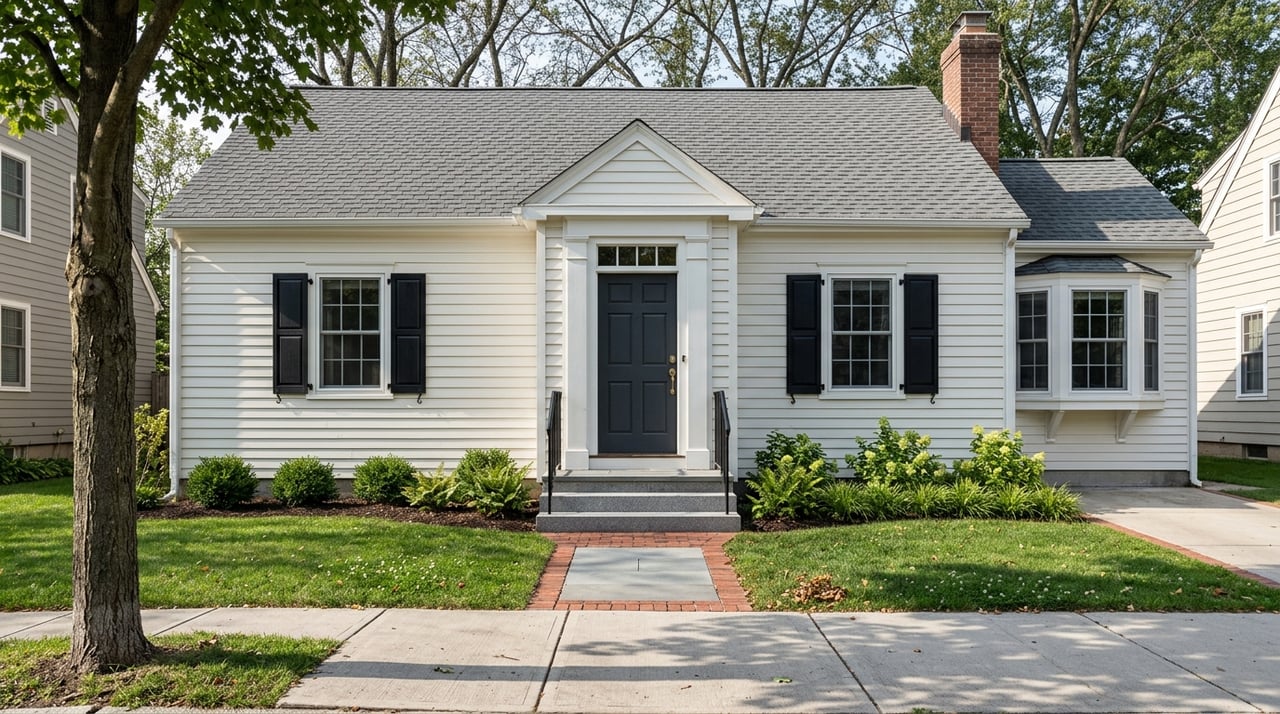
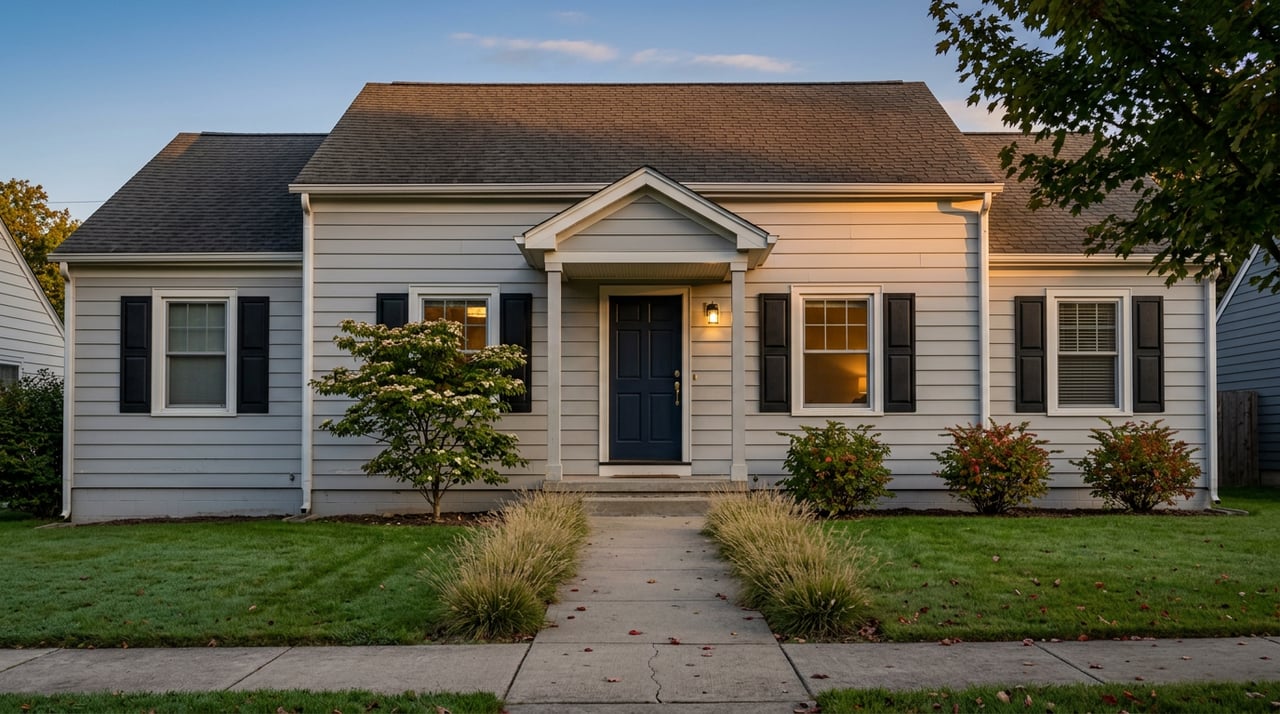
If you are home shopping in Arlington, it helps to know that the housing mix changes by location. Town analysis from the Multifamily Zoning Project found that more than half of Arlington’s housing was built before 1939, which gives much of the town its established character.
The same analysis shows that slightly less than half of Arlington’s units are detached single-family homes, about one quarter are two-family homes, and the rest are in buildings with three or more units. More than 10% of units are in buildings with 20 or more units.
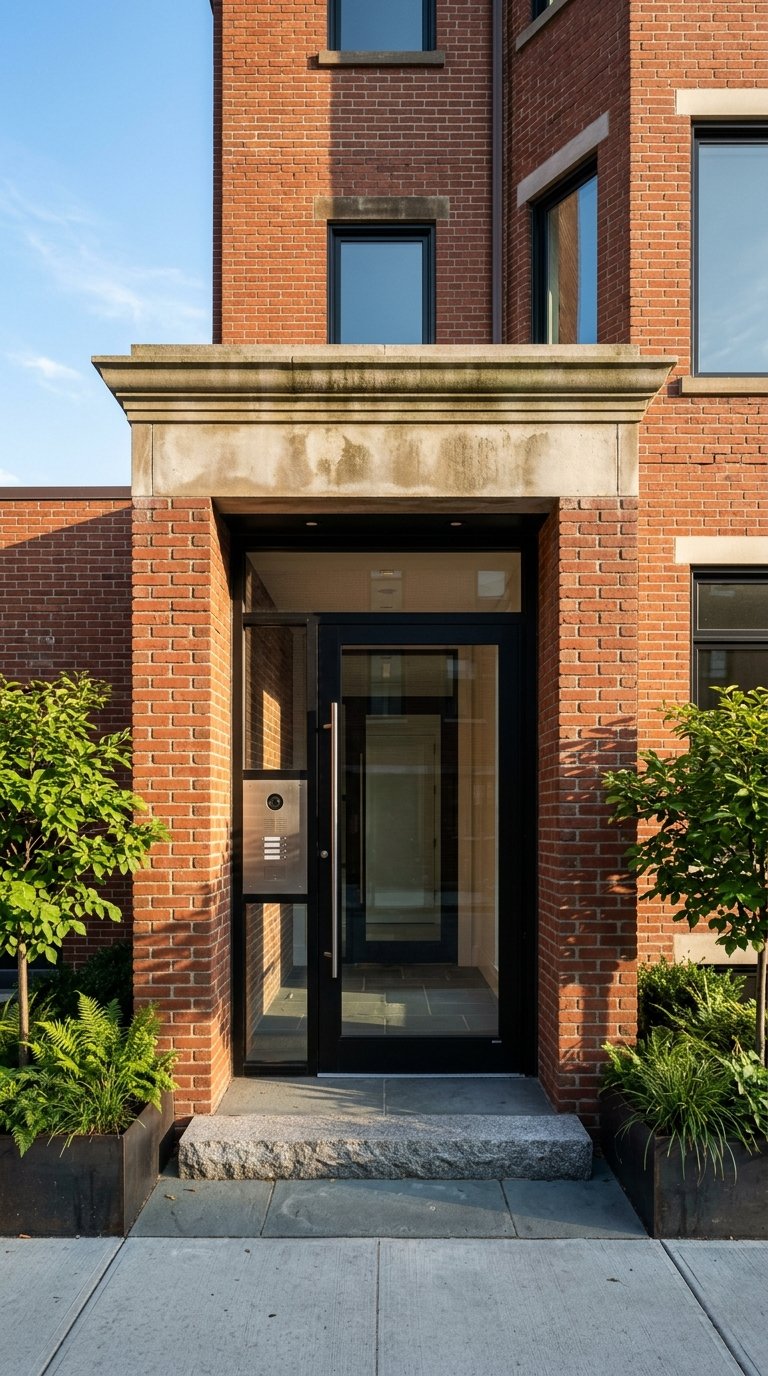
Detached single-family homes are most prevalent in the north and west. Two-family homes are most common in East Arlington, while higher-density buildings cluster along Massachusetts Avenue, Summer Street, and Broadway.
That pattern is useful if you are trying to align your housing search with your lifestyle goals. In general, the areas with the strongest walkable-commercial framework are also the places where you are more likely to see condos, apartments, two-families, and other denser housing types.
Arlington’s zoning allows detached single-family homes by right in every residential and business district, and two-family structures are broadly permitted. The R4 district is the Townhouse District, and MBTA Communities overlay districts now allow multifamily by right in designated areas.
For buyers, that means Arlington offers more than one path into the market. Depending on your needs, your options may include single-family homes, townhouses, condominiums, two-family properties, and larger multifamily buildings in certain locations.
Arlington’s owner-occupied housing rate is 61.6%. Census data also reports a median owner-occupied home value of $933,800 and a median gross rent of $2,082.
Those numbers help frame Arlington as a mature, in-demand market where location and housing type can significantly shape value. If you are buying, it is important to understand how walkability, transit access, and housing form interact. If you are selling, those same factors can be central to how your property is positioned.
In a town like Arlington, buyers are often not just comparing homes. They are comparing daily routines, transit access, nearby amenities, and the ease of living in a particular location.
That is why marketing and negotiation strategy matter. A property near the Mass Ave corridor, one of the main business districts, or the bikeway may appeal to buyers for reasons that go well beyond the home itself.
For sellers, presenting those lifestyle advantages clearly and accurately can strengthen buyer interest. For buyers, understanding those tradeoffs can help you judge whether a premium location truly matches the way you want to live.
Whether you are planning a move, evaluating a listing opportunity, or comparing Arlington’s districts block by block, local context matters. If you want experienced guidance on Arlington housing, pricing, and positioning, connect with Guy Contaldi for a valuation or consultation.
Stay up to date on the latest real estate trends.
Whether buying, selling, or investing, I’m ready to put my decades of experience and client-first approach to work for you. Contact me today to get started with a trusted Boston real estate expert.