
Revere Multifamily Selling Guide for a Stronger Sale
July 9, 2026
July 9, 2026
Thinking about selling a multifamily in Revere? In this market, buyers do not just look at square footage and rent potential. They look closely at condition, paperwork, compliance, and how confidently the property can move through financing and diligence. If you want a stronger offer and a smoother path to closing, preparation matters well before the listing goes live. Let’s dive in.
Revere has strong housing demand, and the city notes that housing remains in demand because of affordability, access to jobs and transit, and quality of life. The city also reports lower vacancy than the statewide rate, which supports continued buyer interest in income-producing housing.
At the same time, much of Revere’s naturally affordable housing stock predates 1940. That means many multifamily properties compete with aging systems, dated interiors, and deferred maintenance, while also being compared against newer nearby housing product.
The city has also said that about 2,000 market-rate housing units have been developed in recent years. For you as a seller, that raises the bar for presentation. Buyers may still want older multifamilies, but they tend to notice quickly when a building feels poorly maintained or underprepared.
Census QuickFacts show Revere has an owner-occupied housing unit rate of 45.6%, with a 2020-2024 median owner-occupied home value of $597,400. In practical terms, your buyer pool may include both investors and owner-occupants, especially depending on unit count.
That distinction matters because different buyers focus on different things. Some will care most about cash flow, occupancy, and operating costs. Others will picture themselves living in one unit and renting the rest, so layout, comfort, and move-in condition carry more weight.
For 2- to 4-unit buildings, live-in buyers are often a major audience. Freddie Mac’s framework for 2- to 4-unit mortgages ties these properties to owner-occupied primary residences and requires rental income data for the non-owner-occupied units.
That means your property should appeal on two levels. It needs to show credible rental income, but it also needs at least one unit that feels comfortable enough for someone to live in right away.
If you are selling a smaller multifamily in Revere, buyers often focus on:
Once a property has five or more units, the buyer profile usually shifts more heavily toward investors. Fannie Mae’s conventional multifamily term sheet treats five-plus-unit properties as multifamily assets and typically requires stabilized occupancy, along with third-party reports such as an appraisal, environmental review, and property condition assessment.
These buyers are usually less focused on emotional fit and more focused on numbers and risk. They want to understand occupancy, net operating income, deferred maintenance, and how much work the building may need after closing.
For larger buildings, buyers tend to study:
One of the first things serious buyers and lenders will notice is whether your numbers make sense. Fannie Mae’s multifamily guidance calls for unit-level rent roll information such as unit identifier, bedroom count, and tenant contract rent. It also looks for a full-year operating statement or at least a trailing six-month annualized statement.
This is not just paperwork for the file. Clear and consistent financials reduce friction during underwriting and diligence, and they help support your pricing when questions come up.
Before your property hits the market, gather and review:
Your goal is a believable income story. If a buyer sees one set of numbers in marketing and another during diligence, your leverage usually weakens fast.
In a competitive sale, appearance matters because it shapes both online interest and in-person confidence. The National Association of Realtors reported in 2025 that 83% of buyers’ agents said staging made it easier for buyers to visualize a property as a future home. The same research found photos were important to 73% of buyers’ agents.
For sellers, that means presentation is not optional. Even in an investment sale, buyers respond better when the property looks cared for, clean, and easy to understand.
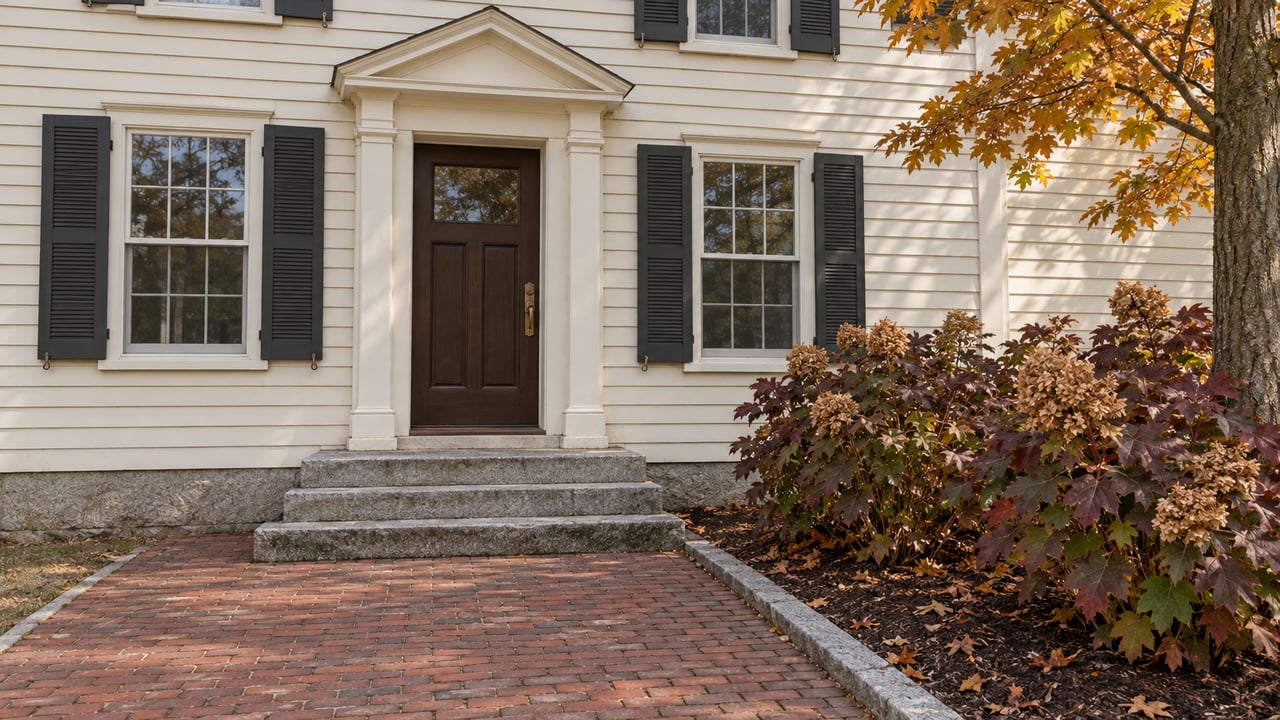
NAR also says 92% of Realtors recommend improving curb appeal before listing. In Revere, that often points to practical work rather than expensive overhauls.
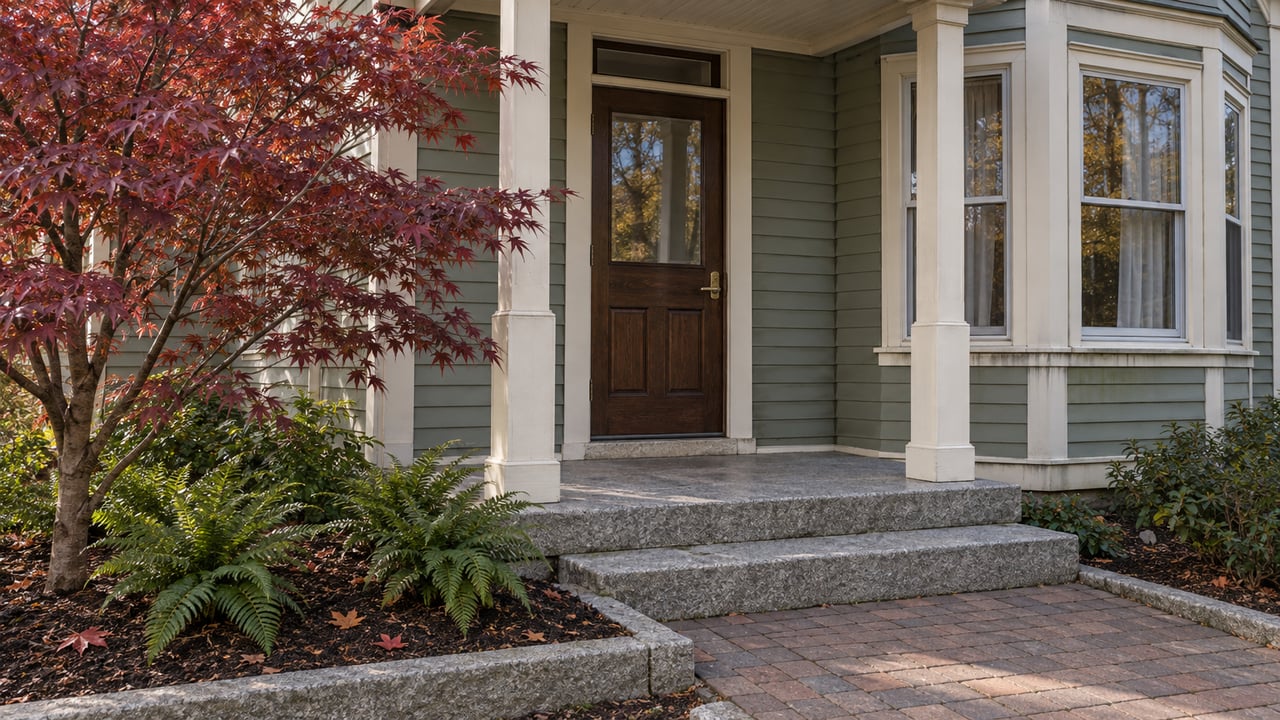
Focus first on what buyers notice quickly:
If not every unit can be upgraded before sale, prioritize the units that will photograph best and show the strongest first impression. That supports the premium presentation buyers now expect.
In older multifamily housing, compliance questions can affect both value and timing. Revere sellers should address these items early, especially if the building has vacant units or was built before 1978.
Massachusetts requires property-transfer lead paint notification for homes built before 1978. The notification must be provided before signing a purchase and sale agreement or similar transfer document.
Massachusetts also states that if a child under 6 lives in a unit, lead hazards must be removed or covered or encapsulated under the Lead Law. For sellers, the practical point is simple: know what applies to your building and have your documentation ready.
Revere’s Health Division says all vacant dwelling units must be inspected, approved for human occupancy, and issued a Certificate of Fitness before they may be occupied. The city also says vacant units must be completely vacant for inspection.
This matters during a sale because buyers often ask whether vacant units are legal and ready to lease. If the answer is unclear, that can slow down negotiations or create a pricing adjustment.
Revere also notes common code issues such as:
The city warns that unresolved property-code fines can become liens. If the entire property is vacant, Revere also requires vacant-property registration and an annual fee.
Massachusetts requires every home to have working smoke alarms, and most homes also require carbon monoxide alarms. Revere’s rental-property ordinance includes smoke and CO alarms among minimum standards for human habitation.
Before listing, it is smart to confirm these basics are in place and working. Small compliance items can become larger negotiation issues when they surface late.
A common mistake in multifamily sales is using one generic strategy for every property. In Revere, the way you prepare and position the building should reflect whether the likely buyer is an owner-occupant, an investor, or both.
For a 2- to 4-family, marketing should emphasize flexibility. Buyers often want to know they can live comfortably in one unit while benefiting from income in the others.
For a 5+ unit property, the message should be more operational. Investors want clarity around occupancy, income, expenses, and maintenance so they can assess the asset quickly.
Most multifamily buyers in Revere are likely to ask some version of the same core questions:
If you can answer those questions clearly before the first showing, you usually enter negotiations from a stronger position.
The best negotiation advantage often comes from reducing uncertainty early. In a Revere multifamily sale, that means your property should not only look better. It should also read as organized, credible, and lower-risk.
When buyers see clean documentation, fewer visible issues, and a property that lines up with local requirements, they have fewer reasons to discount their offer or reopen terms later. That does not guarantee the highest price, but it improves your position when diligence gets serious.
A well-prepared seller usually has more control over:
In other words, the real work of a competitive sale often happens before the listing goes live.
If you are preparing to sell a Revere multifamily, a disciplined plan can make a meaningful difference in both pricing and negotiation strength. For tailored guidance on valuation, presentation, and sale strategy, connect with Guy Contaldi.
Stay up to date on the latest real estate trends.

Whether buying, selling, or investing, I’m ready to put my decades of experience and client-first approach to work for you. Contact me today to get started with a trusted Boston real estate expert.