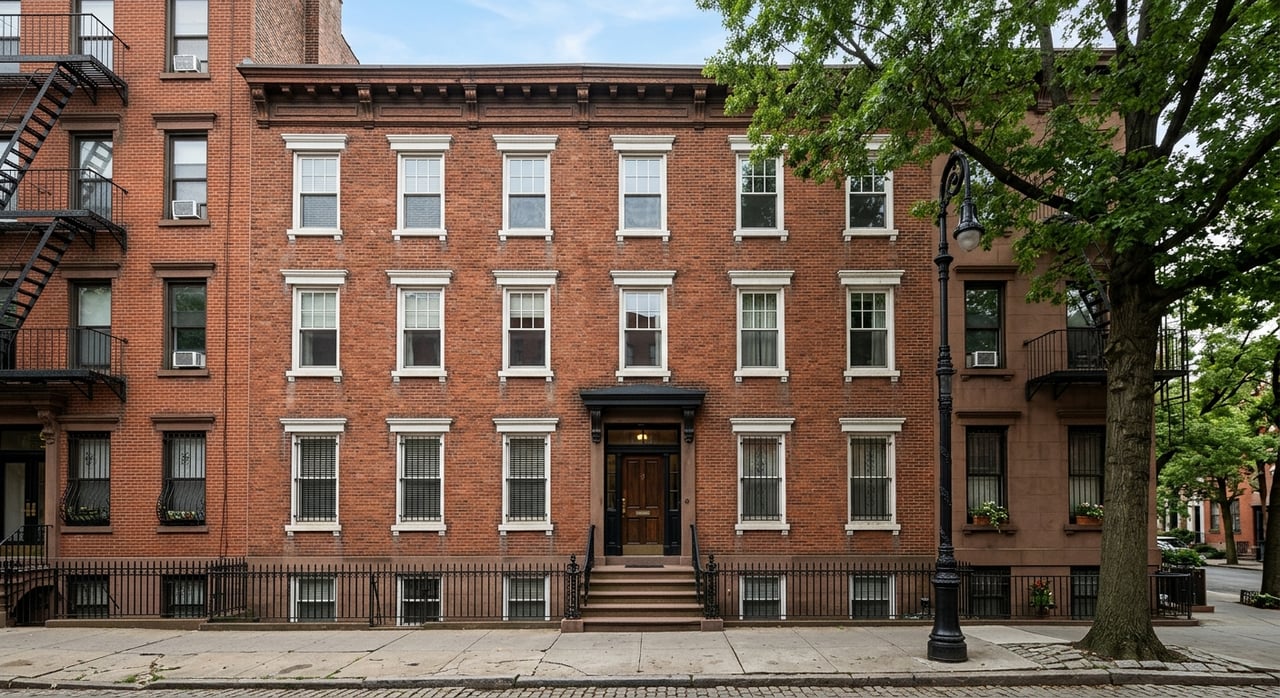
Revere Multifamily Investment Guide for Small Investors
May 28, 2026
May 28, 2026
If you are looking for a small multifamily investment near Boston, Revere deserves a serious look. It offers transit access, strong renter demand, and a housing market that is still more affordable than much of Greater Boston. At the same time, this is not a market that rewards loose underwriting or optimistic assumptions. You need to understand the local rules, the age of the housing stock, and how block-by-block differences can affect returns. Let’s dive in.
Revere stands out because it combines commuter convenience with a renter-heavy housing mix. Census QuickFacts shows a 45.6% owner-occupied housing rate, which means renting plays a major role in the local housing market. The same source reports median gross rent at $2,076 and median household income at $86,969 for 2020 through 2024.
For small investors, that creates a practical setup. You are buying in a city with real rental demand, not a purely owner-occupied suburb. Revere’s planning materials also note that housing demand is high because of relative affordability, access to jobs and transit, and proximity to Boston.
Current pricing reflects that demand. Redfin’s March 2026 snapshot placed the median sale price at $735,000, with homes averaging 49 days on market. In other words, this is not a hidden bargain market. It is a supply-constrained commuter market where your deal selection and execution matter.
For many small investors, Revere works best as a market for disciplined, long-term ownership. The opportunity is often less about finding a deeply distressed asset and more about buying a property with solid fundamentals in the right micro-location. If you manage renovations, leasing, and compliance well, the market can support that effort.
The city’s planning data says Revere is generally more affordable than the Greater Boston region overall and broadly in line with Metro North. That relative affordability helps support ongoing demand. It also means more buyers and investors are competing for the same limited inventory.
Transit is one of Revere’s biggest strengths. The city says Revere has three MBTA Blue Line stops and is about five minutes from Logan Airport. That gives renters access to downtown Boston, the airport, and nearby job centers without needing to rely only on a car.
For investors, transit access can widen your renter pool. A well-located multifamily property may appeal to renters who work in Boston, renters who travel frequently, and renters who want access to the shoreline and nearby amenities. This helps explain why transit-adjacent areas often hold demand well.
Revere’s waterfront identity also adds another layer. The city describes Revere Beach as the first public beach in the United States, with three miles of coastline and commercial and residential frontage. In practice, that means some locations may draw stronger demand because of both convenience and lifestyle appeal.
One of the biggest mistakes small investors make is treating Revere like every block performs the same way. It does not. Local planning data shows that vacancy varies sharply by area.
The city reports vacancy below 1% in Upper Revere and Oak Island, while the highest vacancy appears along one stretch of Revere Beach. That does not mean beach-area property is automatically weak or inland property is automatically strong. It means your lease-up risk, rent growth, and turnover experience can change based on micro-location.
This is why property-level analysis matters more than broad city averages. Two buildings with similar unit counts can have different outcomes depending on access to transit, parking, condition, and exact location. In Revere, small investors need to underwrite the block, not just the zip code.
Rental demand appears active, but competition is real. Zillow’s May 2026 rental snapshot shows an average asking rent of $2,795, 183 available rentals, and a market rated as “warm.” Zillow also shows rents up $145 year over year in its current snapshot.
That is encouraging, but it should not lead you into aggressive assumptions. Revere has also added supply. City data says nearly 40 new multifamily projects totaling more than 3,000 units were permitted between 2014 and 2021.
Newer product can compete directly with older buildings, especially near transit and visible growth corridors. If you buy an older asset, your strategy has to account for that. Renovation quality, clean operations, and thoughtful leasing matter if you want your property to stand out.
Revere has a diverse housing stock, but many buildings pre-date 1940. The city’s master plan says many of these properties will need rehabilitation to remain part of the naturally affordable housing stock. That should shape your underwriting from day one.
Older multifamily properties can offer character and useful layouts, but they often come with more capital needs. You may need to budget for system updates, code-related work, turnover improvements, and ongoing maintenance. A light-touch ownership plan may look good on paper and fail in reality.
This is especially important for first-time investors. If you assume cosmetic upgrades alone will carry the investment, you may miss the real cost of keeping an older building competitive and compliant.
A property’s value in Revere is shaped by more than unit count and condition. The zoning map also matters. The city’s zoning summary includes districts such as RB General Residential, RC Apartment, RC3 Multi-Family, and the Wonderland Transit-Oriented Development overlay.
For investors, this matters because zoning affects what is allowed on the site today, not just what seems physically possible. Before you buy, you need to understand the existing use, permitted use, and any constraints tied to the district. That is especially true if your business plan includes conversion, expansion, or reconfiguration.
One example from city guidance is especially important. Converting a single-family home into a two-family in the RB district requires four on-site parking spaces, and both units must meet building, plumbing, electrical, and fire code standards. The city also ties occupancy permits to code compliance and intended use.
That is a good reminder that a value-add idea only works if the site and the rules support it. In Revere, parking and code compliance can materially affect feasibility.
Flood exposure is not a side note in Revere. The city’s land-development guide says work in the 100-year floodplain is restricted. Redfin’s current hazard overlay also says 36% of Revere properties are likely to face severe flooding over the next 30 years.
For small investors, that means flood and insurance review should happen early, not after you are emotionally committed to the deal. A property that looks appealing on price and rent may underperform once insurance costs, reserve planning, or site restrictions are fully understood. This is one of the clearest examples of why conservative underwriting matters here.
Revere’s population is also linguistically diverse. Census QuickFacts says 56.3% of residents age 5 and older speak a language other than English at home. For landlords and investors, that points to a simple operational lesson: clarity helps.
Clear application steps, easy-to-understand leasing materials, and responsive communication can reduce friction during lease-up. If you are an out-of-area owner or new to rental operations, professional leasing support may help create a smoother process. In a market where demand is strong but competition exists, execution still matters.
If you are evaluating a small multifamily property in Revere, focus on the variables that can change your returns the fastest:
A deal can still work well in Revere. The key is making sure your assumptions reflect the city you are actually buying into.
Small investors often do best in Revere when they stay disciplined. That usually means buying in a location with durable demand, planning for real capital expenses, and avoiding a business plan that depends on every variable going right. Strong deals here tend to be built on realistic execution, not stretch projections.
Transit-adjacent areas and lower-vacancy pockets may offer more resilience, especially when the building is well-maintained and the leasing plan is clean. But even then, success often depends on how well you negotiate the purchase, evaluate the physical asset, and plan the first 12 to 24 months of ownership.
If you are weighing a Revere multifamily acquisition, the goal is not just to buy a building. The goal is to buy the right building, in the right location, with a strategy that fits local conditions. That is where experienced analysis and negotiation can make a real difference. When you are ready to evaluate a property or sharpen your acquisition strategy, connect with Guy Contaldi for a consultation.
Stay up to date on the latest real estate trends.


Whether buying, selling, or investing, I’m ready to put my decades of experience and client-first approach to work for you. Contact me today to get started with a trusted Boston real estate expert.