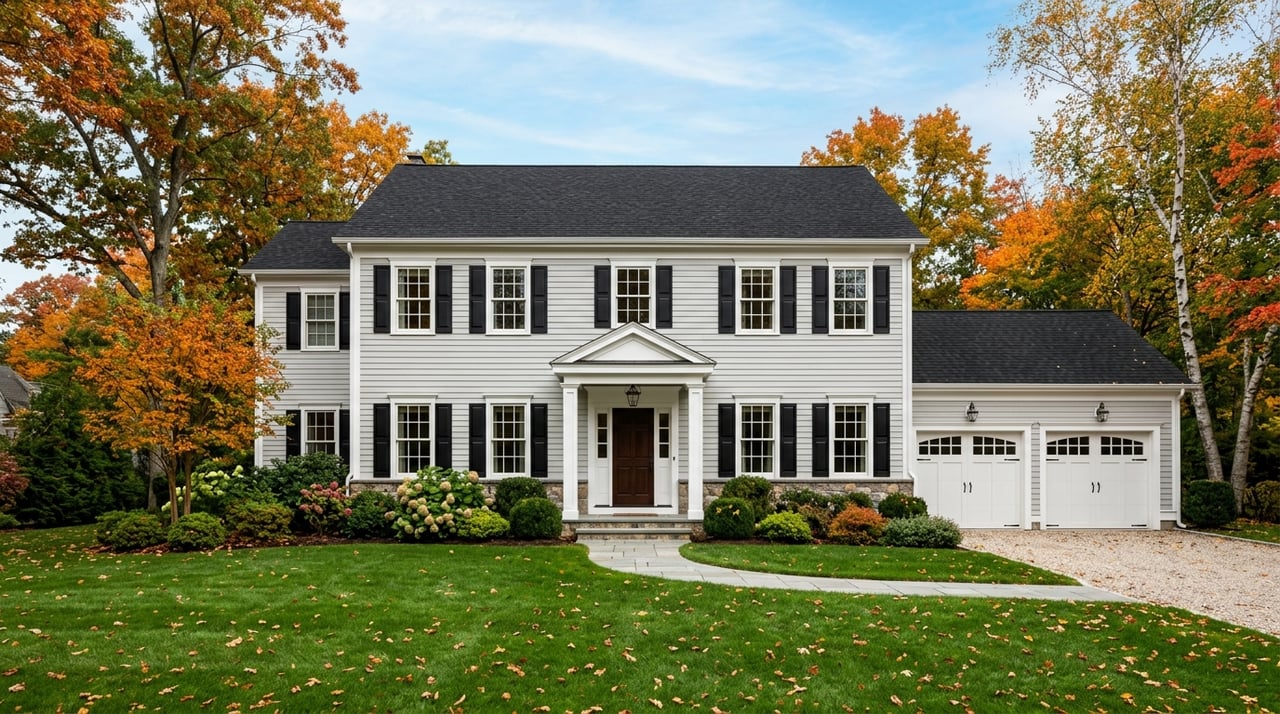
Woburn Move Up or Relocate: A Practical Homeowner Guide
April 2, 2026
April 2, 2026
Wondering whether your next move should be a bigger home in Woburn or a fresh start in another Greater Boston community? If you already own in Woburn, that decision is rarely just about square footage. It is about equity, commute patterns, monthly costs, and how much change you want in your day-to-day life. This guide will help you compare the numbers and tradeoffs so you can make a more confident move-up or move-on decision. Let’s dive in.
Before you look at Cambridge, Newton, or Framingham, it helps to understand where Woburn stands right now. According to Redfin’s Woburn housing market data, the median sale price in Woburn was $770,000 in February 2026, with homes selling in about 49 days and receiving roughly 3 offers on average.
That gives many Woburn homeowners a useful starting point. If you have owned your home for several years, you may have meaningful equity to work with. But equity alone does not always make the next purchase easy, especially when your replacement home is in a tighter or more expensive market.
Realtor.com market data for Woburn also showed 37 active listings and a 47-day median time on market in January 2026. In plain terms, buyers still face limited choices, so your planning needs to be sharp before you list or shop.
A move-up decision often comes down to one question: do you want to stay close to what already works, or change your lifestyle along with your address? For many Woburn owners, the practical choices fall into four broad categories.
If you want a moderate step-up in price without changing your routine too much, staying in Woburn can make sense. You already know the local rhythm, and the city’s location at the intersection of I-93 and I-95 keeps it highly connected for drivers, according to the City of Woburn.
Woburn is the most highway-oriented option in this comparison. A city planning source reported that 91% of commuters drove to work and 5% used public transit, though ongoing work near the Anderson Regional Transportation Center is intended to improve access to the commuter rail corridor and reduce car dependence in that area.
Newton is the premium suburban-transit hybrid in this group. Based on Redfin’s Newton housing market data, the median sale price reached $1.525 million in February 2026, which is a major jump from Woburn.
What you get for that higher entry point is a broader mix of travel options. The City of Newton notes access to seven T stops, commuter rail stations in Auburndale, West Newton, and Newtonville, more than 10 MBTA bus lines, and major highway connections including I-90 and I-95.
If your goal is to upgrade while keeping access to both suburban and regional transportation options, Newton may appeal to you. But the price step-up is significant, so your budget and cash-to-close strategy need to be realistic.
Cambridge offers the strongest transit and walkability profile of the four. Redfin’s Cambridge market report shows a $940,000 median sale price in February 2026, while Realtor.com reported a $999,000 median asking price, 103 active listings, and 84 median days on market in January 2026.
The City of Cambridge transportation overview says that about a quarter of residents use transit to commute, fewer than 31% drive alone, and much of the city is near Red Line stations, the Green Line at Lechmere, commuter rail, and extensive bus service. If day-to-day mobility matters more than highway convenience, Cambridge stands out.
The tradeoff is that your search may take longer and your price expectations may need to stay disciplined. Cambridge tends to move more slowly than Woburn, and that can create a different negotiation environment.
Framingham is the value-and-space option in this comparison. Redfin’s Framingham market data put the median sale price at $675,000 in February 2026, below Woburn, while Realtor.com showed 57 active listings and a $699,900 median asking price in January 2026.
Commute style is part of the tradeoff. MetroWest transportation data show that 79% of Framingham commuters drove alone and 4% used public transportation in 2018-22, though the city also has commuter rail service to South Station and Back Bay plus MWRTA service.
If you want more room or a lower purchase price than Woburn, Framingham may be worth a close look. It is not the same transit profile as Cambridge or Newton, but it can offer a more favorable price point.
The biggest mistake move-up sellers make is assuming a strong sale automatically solves the next purchase. In reality, tight inventory across these markets means your next move can still be competitive, even if your current home sells well.
For single-family buyers, February 2026 MLS-based reports showed 1.4 months of supply in Cambridge, 1.5 months in Newton, and 1.0 month in Framingham, according to ShowingTime market reports. Those are lean inventory conditions, and they support a strategy built around preparation rather than guesswork.
That means you should think through three things early:
A practical move-up framework is straightforward. Start with your expected Woburn sale price, subtract your mortgage payoff, then subtract seller-side costs, repairs, and moving expenses. What remains is the amount you can compare against the next home’s down payment and closing costs.
This matters because closing costs on the buy side can add more than many homeowners expect. The Consumer Financial Protection Bureau says closing costs generally run about 2% to 5% of the purchase price, depending on the property, lender, loan type, and location.
The CFPB also notes that mortgage insurance is typically required when your down payment is below 20%, and that seller credits can sometimes help offset buyer closing costs. Fannie Mae similarly recommends budgeting for closing costs separately from the down payment and comparing loan estimates carefully.
If you sell in Woburn and net strong equity, you may still need substantial cash for your replacement home. That is especially true if you move from a roughly $770,000 market into Newton or into a highly competitive segment of Cambridge.
The lesson is simple: equity is not the same as purchasing power. Your move becomes much easier when you know your likely net proceeds before you start writing offers.
A move-up decision is often a lifestyle decision disguised as a financial one. The same budget can produce very different daily routines depending on where you go next.
Here is the simplest way to think about the four options:
| Location | General Price Position | Commute Pattern | Best Fit For |
|---|---|---|---|
| Woburn | Midpoint in this group | Highway-oriented | Staying close to current routines |
| Cambridge | Higher | Transit- and walk-oriented | Prioritizing mobility and urban access |
| Newton | Highest | Hybrid transit and highway access | Balancing suburban feel with transportation options |
| Framingham | Lowest | More car-oriented with rail access | Seeking value or more space |
If your current routine depends on driving, Woburn and Framingham may feel more familiar. If you want stronger transit access, Cambridge and Newton are likely to offer a better fit.
Not every market in this group behaves the same way. That matters when you are trying to line up a sale and purchase with as little friction as possible.
According to Redfin, the average Woburn home sells for about 1% below list price and goes pending in around 26 days. Newton also averages about 1% below list and around 35 days, while Framingham averages around list price and about 28 days. Cambridge averages about 2% below list and around 56 days.
In practical terms, that suggests:
This is where experienced negotiation and clear planning can make a real difference. If you are selling and buying at the same time, contract structure matters almost as much as price.
You may be a move-up candidate if:
You may be better served by a location change if:
The strongest move-up decisions usually start with numbers, not listings. Before you tour homes or prepare your property for market, it helps to know your likely sale range, net proceeds, target purchase budget, and timing options.
That kind of planning gives you room to act decisively when the right home appears. It also helps you avoid becoming a seller with a strong offer in hand but no workable strategy for what comes next.
If you are weighing whether to stay in Woburn or make a move to Cambridge, Newton, or Framingham, a tailored valuation and purchase strategy can clarify your next step. Connect with Guy Contaldi for a consultation built around pricing, timing, and negotiation strategy.
Stay up to date on the latest real estate trends.


Whether buying, selling, or investing, I’m ready to put my decades of experience and client-first approach to work for you. Contact me today to get started with a trusted Boston real estate expert.