Malden MA Transit Living: A Guide to Housing Near Transit
March 24, 2026
March 24, 2026
Picture your week without reaching for car keys. In Malden, two Orange Line stations, a central bus hub, and growing bike routes make that goal realistic while keeping your housing options broader than in many Boston or Cambridge neighborhoods. If you want a shorter commute, walkable errands, and a smart value play, this guide shows you where to look, what to expect, and how to test the lifestyle before you commit. Let’s dive in.
You get rapid transit at both Malden Center and Oak Grove, with frequent Orange Line service and a commuter rail platform at Malden Center on the Haverhill Line. Those stations anchor walkable blocks with dining, services, and mixed housing types. According to U.S. Census QuickFacts, Malden’s median household income is around $95,300, reflecting a stable, mid-sized inner suburb with everyday amenities close by (U.S. Census).
Addresses near Malden Center commonly earn strong Walk Score and Transit Score marks, with many locations in the 70 to 90 Walk Score range and Transit Scores between 50 and 70 depending on the block (Walk Score snapshot near Malden Center). The takeaway: you can reach the T on foot or by bike, and most errands close to downtown do not require a car.
Malden Center is an intermodal hub with an Orange Line island platform, a Haverhill Line commuter rail platform, and two busways. It puts you a direct one-seat ride from several downtown Boston nodes, with easy transfers to other lines at North Station and Downtown Crossing (Malden Center station overview). Oak Grove is the Orange Line’s northern terminus and also accommodates Haverhill Line trains in some operating scenarios, plus a large park-and-ride (Oak Grove station details).
Recent efforts have aimed to improve Orange Line speeds. Even so, planned work and temporary slow zones can affect travel times or require shuttles. Always check advisories before you ride (WBUR service update example; Axios speed improvements context).
Malden Center’s two busways connect a dozen routes that serve surrounding neighborhoods and nearby cities like Medford, Everett, and Revere. Those east-west and local links fill gaps the radial Orange Line does not cover, which is useful for door-to-door planning on days you are not biking or walking (station overview).
Malden joined the Bluebikes network in 2022, adding docked bike share at and near Malden Center for quick rides to the T, errands, and nearby parks (Bluebikes expansion announcement). The region is also advancing trail links like the Northern Strand and the Spot Pond Brook Greenway to improve continuous, low-stress routes between Oak Grove, Malden Center, and neighborhoods. These projects are funded across multiple fiscal years, so confirm current status if a trail connection is a must-have for you (Boston MPO TIP project listing).
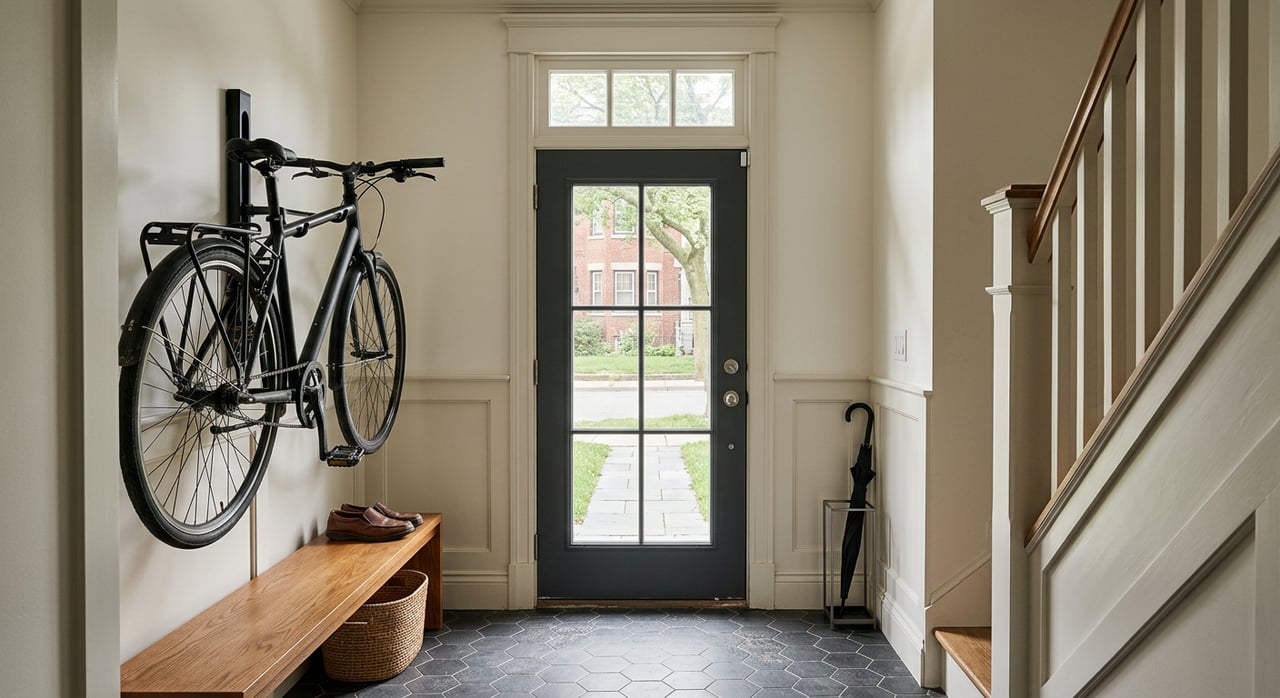
Secure bike parking at stations matters if you plan to ride daily. MBTA and MPO funds support Pedal & Park modernization, and Malden Center and Oak Grove have historically offered secure bike storage. Ask building managers about on-site options, and verify station facilities you plan to use (MPO appendices on bike parking).
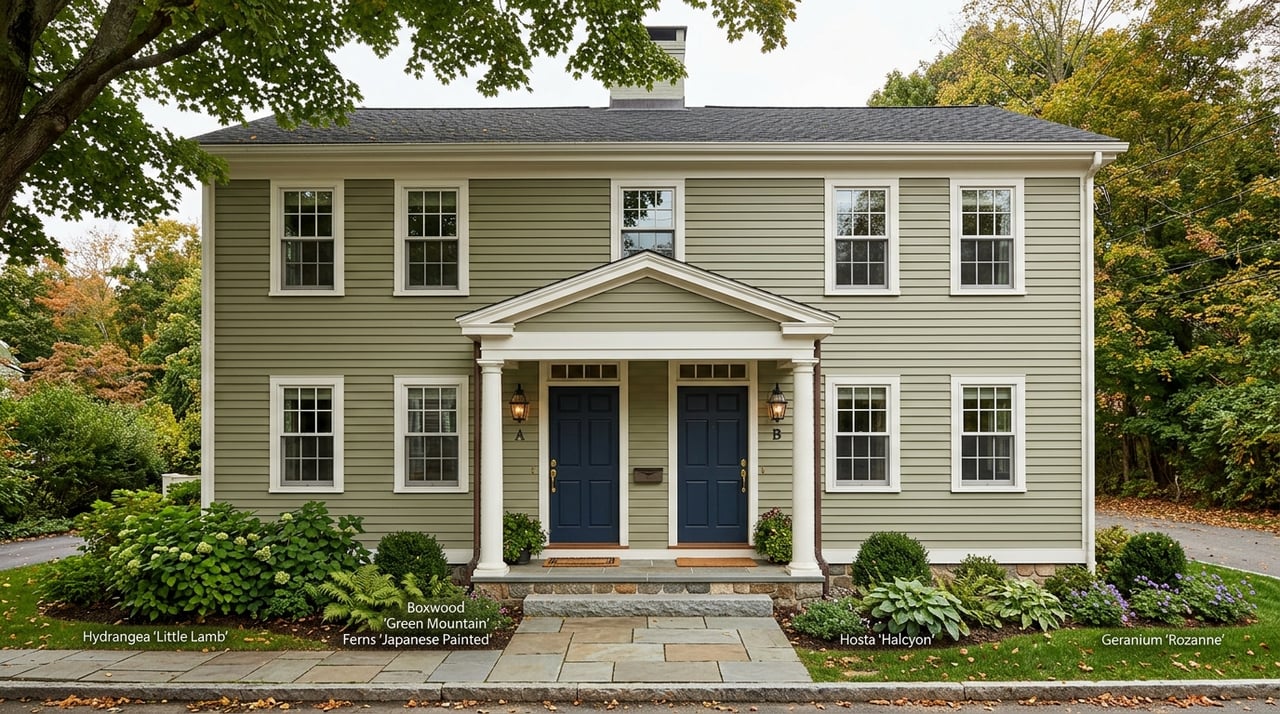
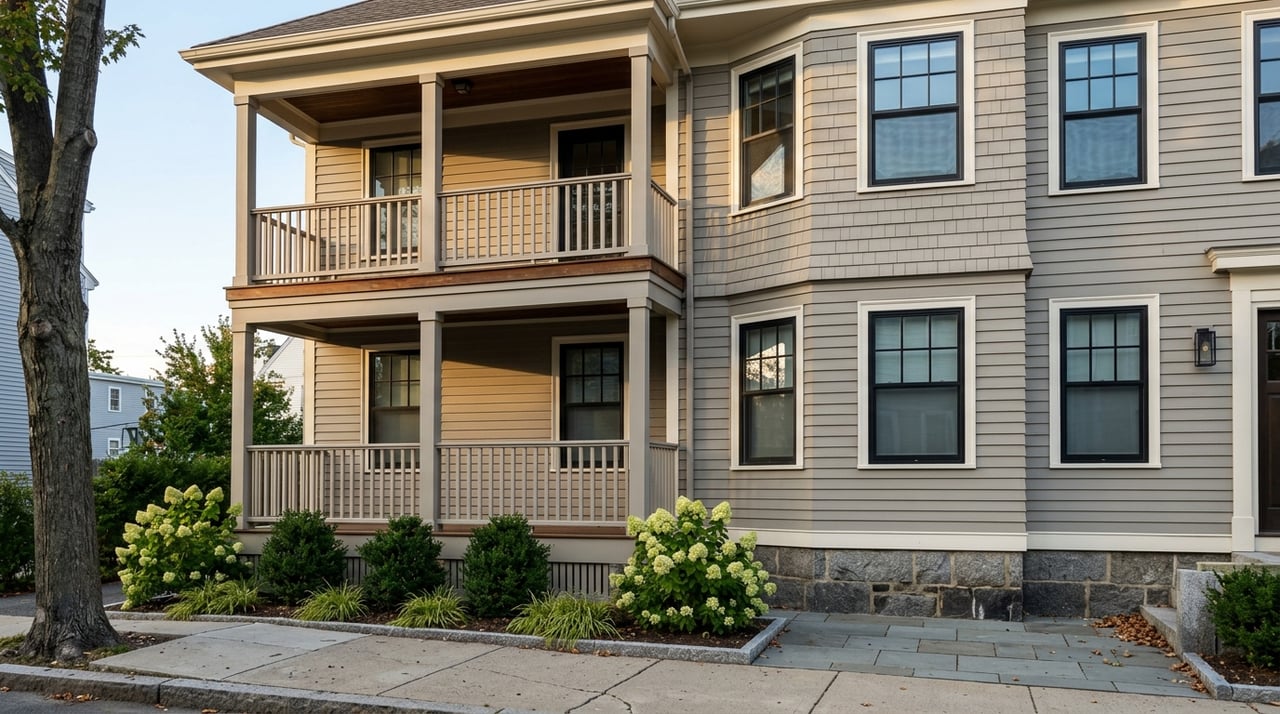
Within a 5 to 10 minute walk of Malden Center, you will see a mix of older triple-deckers, converted Victorian multi-units, mid-rise apartment and condo developments, and active ground-floor retail. The City’s planning materials describe recent growth as transit-oriented, with projects like Jefferson at Malden Center adding homes and street-level amenities close to the station (City of Malden planning archive).
Oak Grove’s immediate station area includes parking facilities and a commuter interface, with residential streets nearby offering single-family homes and smaller multi-family properties. If you want quieter blocks while still walking to the Orange Line, this area can be a smart target.
Neighborhoods like Maplewood and Linden sit a short bus or bike ride from both stations. You often trade a few extra minutes of travel for lower price points and lower density. If you value calm streets but want reliable access to Boston and Cambridge, these areas are worth a look.
Market portals place Malden’s typical home value in the low to mid $600,000s, while monthly one-bedroom asking rents in central Malden often show in the low to mid $2,000s. Figures vary by month and data source, so use any number as a dated snapshot and verify with current MLS data before making an offer. Compared to many Boston and Cambridge neighborhoods, Malden generally offers lower purchase prices and rents, which can free up budget for upgrades or savings.
Proximity to rail typically raises demand for nearby homes. Academic meta-analyses find a positive relationship between station proximity and property value, although the exact premium depends on distance, rail type, and local context (research summary on rail proximity). The tradeoff is real: the closest blocks to transit bring convenience, but also more activity, occasional noise, and tighter parking.
On-vehicle Orange Line trips from Malden Center or Oak Grove to central Boston commonly fall in the 15 to 25 minute range depending on time of day and destination. Jobs in Cambridge typically require one transfer or a slightly longer trip. Occasional multi-day work on the Orange Line can add time or reroute you to buses or the Haverhill Line, so have backups ready (WBUR service update example; Axios speed improvements context).
How to test your commute before you sign:
Within about a half mile of Malden Center, you will find restaurants, small grocery and specialty markets, banks, and services clustered in a compact, walkable area. Parks and trails, including segments of the Northern Strand and green spaces like Fellsmere, add nearby recreation that you can reach on foot or by bike (local recreation roundup). For large grocery runs or bulk buys, many residents still schedule an occasional rideshare or use a friend’s car.
Parking is available in municipal garages downtown and on metered streets, with resident permits and different rules by neighborhood. If you plan to keep a car, review building parking, guest policies, and city rules before you commit (City of Malden parking assessment).
Use this quick checklist during tours:
Ready to compare addresses, verify current numbers, and negotiate the right fit near transit? Connect with Guy Contaldi for a focused plan, current MLS-backed pricing, and neighborhood-by-neighborhood guidance.
Stay up to date on the latest real estate trends.
Whether buying, selling, or investing, I’m ready to put my decades of experience and client-first approach to work for you. Contact me today to get started with a trusted Boston real estate expert.