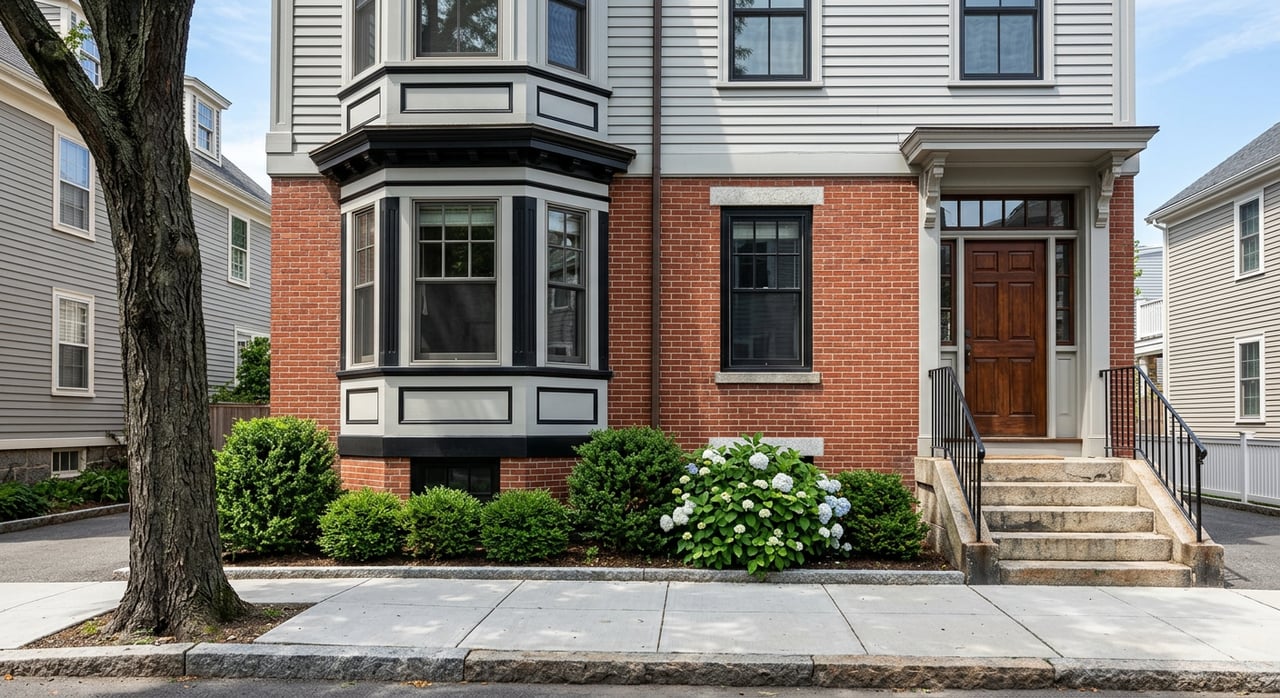
Is Buying a Home in Everett MA the Next Boston Value Play?
March 5, 2026
March 5, 2026
Feeling priced out of Cambridge or Newton? You are not alone. Many Greater Boston buyers want more space without giving up access to the city, and they are scanning the map for smart value. Everett keeps rising to the top because prices are lower, new amenities are taking shape, and transit improvements are in motion. In this guide, you will see how Everett stacks up on price, lifestyle tradeoffs, development, and commute so you can decide if it fits your goals. Let’s dive in.
If you are comparing dollar for dollar, Everett can offer more space for less than Cambridge or Newton. Recent snapshots show a typical home value around the low to mid $600Ks and a recent median sale closer to the mid $700Ks, depending on data source and time frame. Cambridge typical values are near the $1 million mark with recent medians well above that, and Newton typical values sit higher still. Framingham lands in the low to mid $600Ks, and Middlesex County as a whole trends above Everett.
Price per square foot tells the same story. Everett has been tracking around the low $400s per square foot in recent sales, while Cambridge has been closer to the high $800s and Newton around the low $500s. That gap often means you can step into a larger home or a more updated property in Everett for what a smaller place might cost in the core.
The takeaway: If Cambridge or Newton stretches your budget, Everett can be a practical way to stay close to Boston while getting more value.
Competition is real in Everett, but it is not the bidding frenzy you see in ultra‑premium neighborhoods. Recent sales activity points to homes moving in a few weeks on average with multiple offers common on well‑priced listings. Entry‑level resale inventory can be tight, which keeps the market active.
The rental side is strong. New buildings have leased quickly where delivered, which supports investor confidence and adds amenities over time. Local reporting has highlighted a steady pipeline of multifamily projects and quick lease‑ups that signal sustained demand for well‑located units. You can see that trend in coverage of the Commercial Triangle and Lower Broadway areas in the Boston Globe’s development reporting.
Everett has a lower owner‑occupied share than many suburbs, which is important context for both buyers and investors. U.S. Census estimates put owner occupancy around 36.5 percent, with a 2023 median property value near $605K and a median household income around the high $70Ks. Those figures come from Census QuickFacts and related ACS estimates. Newer buildings tend to command higher asking rents than older stock, and that sets expectations for investors and for renters considering a future purchase.
A few anchors have reshaped how developers and residents look at Everett. The Encore Boston Harbor resort opened in 2019 and brought jobs, visitors, restaurants, and attention to Everett’s waterfront and Commercial Triangle. That presence helped catalyze interest in nearby parcels and accelerated the city’s housing pipeline.
Developers like Greystar and The Davis Companies are active in the Commercial Triangle and around Lower Broadway. Greystar’s recent groundbreakings and phased deliveries are a good example of how quickly this submarket is building out. You can track one of Greystar’s projects in local coverage from the Everett Independent. The scale of master plans near the Encore area suggests long‑run neighborhood change as sites transition from industrial uses to mixed‑use districts.
Big ideas continue to surface, from stadium proposals to additional infrastructure asks. These concepts can redefine traffic patterns and destination appeal, but they also carry permitting and timeline uncertainty. For buyers, it is wise to view them as potential long‑term lifts rather than guaranteed near‑term catalysts.
Everett does not have a rapid‑transit station inside most neighborhoods. The current pattern is bus to the MBTA Orange Line at Sullivan Square in Charlestown, or a quick hop to Assembly Row on the Somerville side. Sullivan Square is a major bus hub that connects Everett riders into the rapid‑transit network. If you are new to the area, the Sullivan Square station overview is a helpful reference point.
Average commute times for Everett residents run in the mid‑30 minutes across modes, according to DataUSA. Your door‑to‑door time will depend on how close you live to key bus corridors and where your job is located.
Funding and planning have advanced several improvements. The state secured a federal RAISE grant of about $22 million for the Lower Broadway corridor to create a separated busway, transit signal priority, and bike and pedestrian upgrades. The goal is faster, more reliable buses between downtown Everett and Sullivan Square. You can read the official grant summary on Mass.gov.
The MBTA and regional planners have also recommended a Bus Rapid Transit concept that would extend a Silver Line‑style service through Everett. The endorsed routing and design are explained in coverage from Streetsblog MASS. Timelines remain multi‑year and depend on funding, right of way, and staffing.
A pedestrian and bike bridge between Assembly Row and the Encore waterfront has long been discussed. If built, it would make the Orange Line more directly walkable from parts of Everett. Historical reporting from Boston.com outlines the concept, which has seen periodic design and funding movement.
Short term, plan on bus connections or short drives to reach rapid transit. Long term, if the busway and BRT projects proceed, transit competitiveness improves and can support higher values. Treat these as promising, not guaranteed, and confirm commute math for any home you are considering.
If schools are a priority, review district and individual school profiles directly and compare options across the region. Make choices based on your household’s needs, commute, and budget.
Use a disciplined process so you buy with confidence and negotiate from strength.
Everett looks like a smart value play for many Boston‑area buyers because you get more home for your money while staying near the city. Development momentum and planned transit upgrades add upside potential, but timelines and supply should be part of your calculus. If you want an experienced, negotiation‑driven advisor to help you size the opportunity to your needs, connect with Guy Contaldi to map your next move.
Stay up to date on the latest real estate trends.
Whether buying, selling, or investing, I’m ready to put my decades of experience and client-first approach to work for you. Contact me today to get started with a trusted Boston real estate expert.